Dr. Yugal Karkhur – Best Meniscus Surgeon in Gurgaon

Dr. Yugal Karkhur is a leading meniscus surgeon in Gurgaon, offering advanced arthroscopic repair with expert diagnosis and rehabilitation care.

Chronic knee pain after a sudden twist, sports injury, or accident may indicate a meniscus tear. Dr. Yugal Karkhur, a leading orthopaedic surgeon in Gurgaon, offers advanced arthroscopic meniscus repair to relieve pain, restore knee stability, and improve joint function.

With over 14 years of experience, he specializes in accurate diagnosis and minimally invasive knee surgeries. From meniscus tear treatment to meniscus balancing procedures, patients trust his surgical expertise, personalized care, and structured rehabilitation support for faster recovery.
Book a Consultation

Whatsapp | Call
What is Arthroscopic Meniscus Repair?

What is a Meniscus Tear?

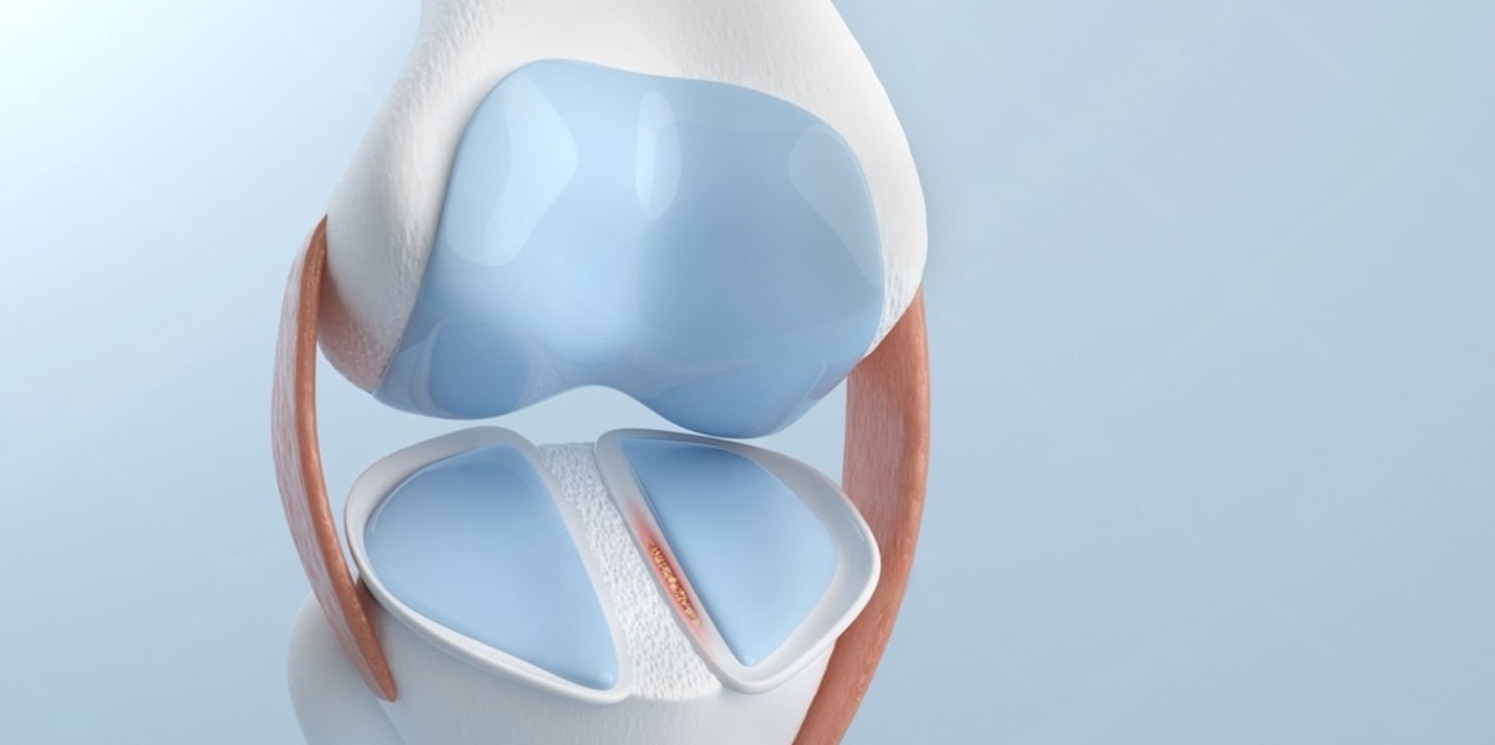
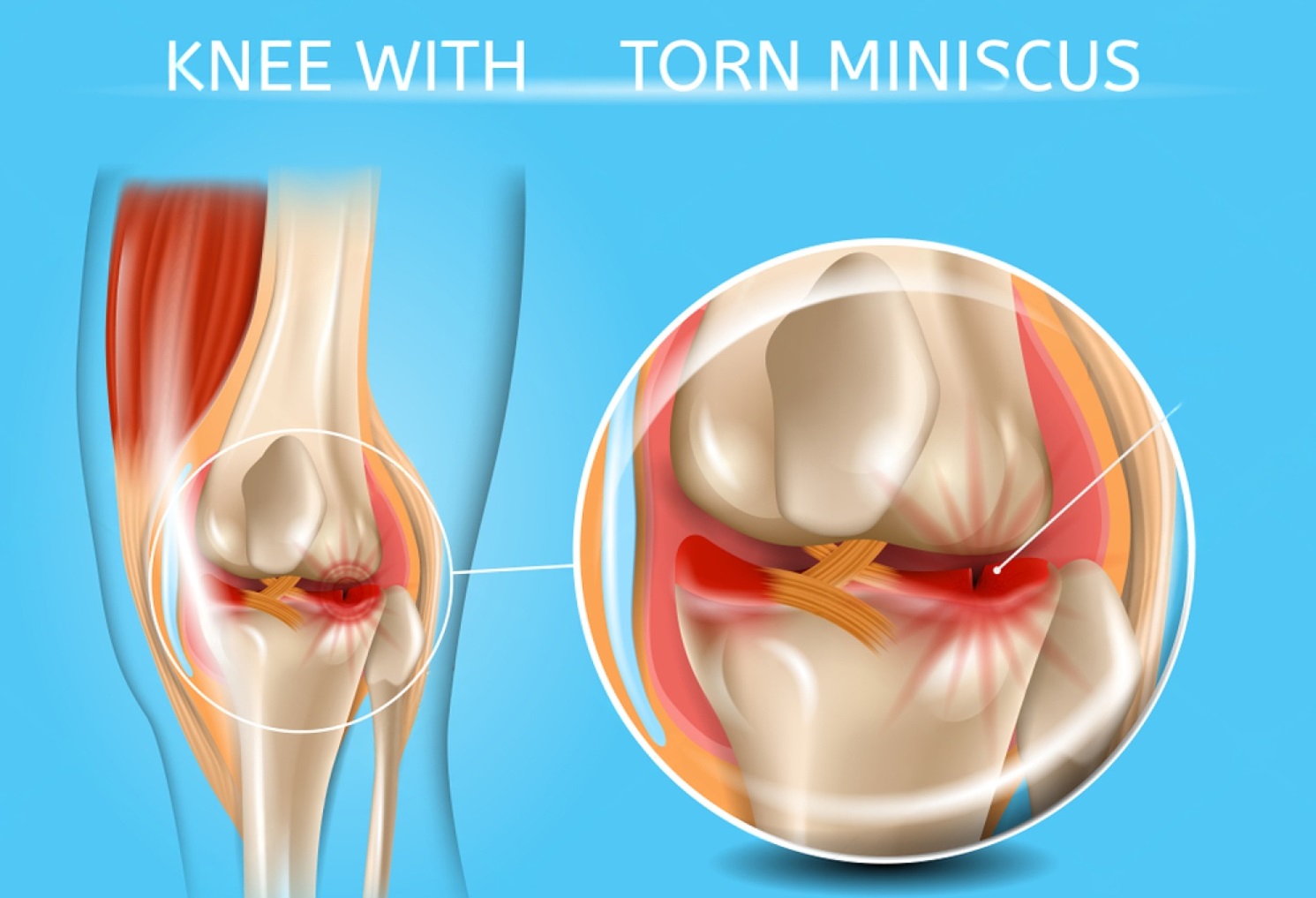
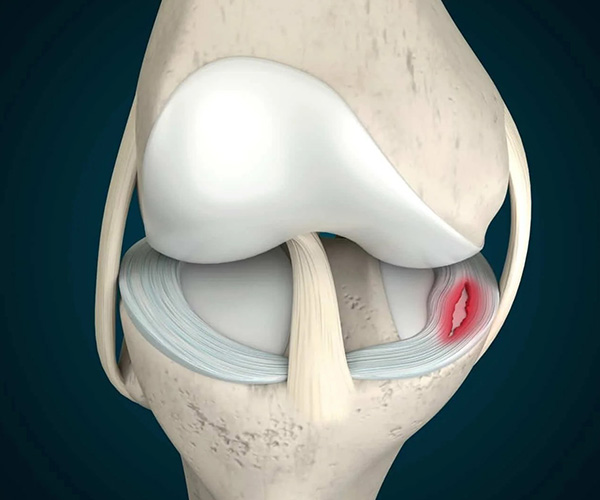
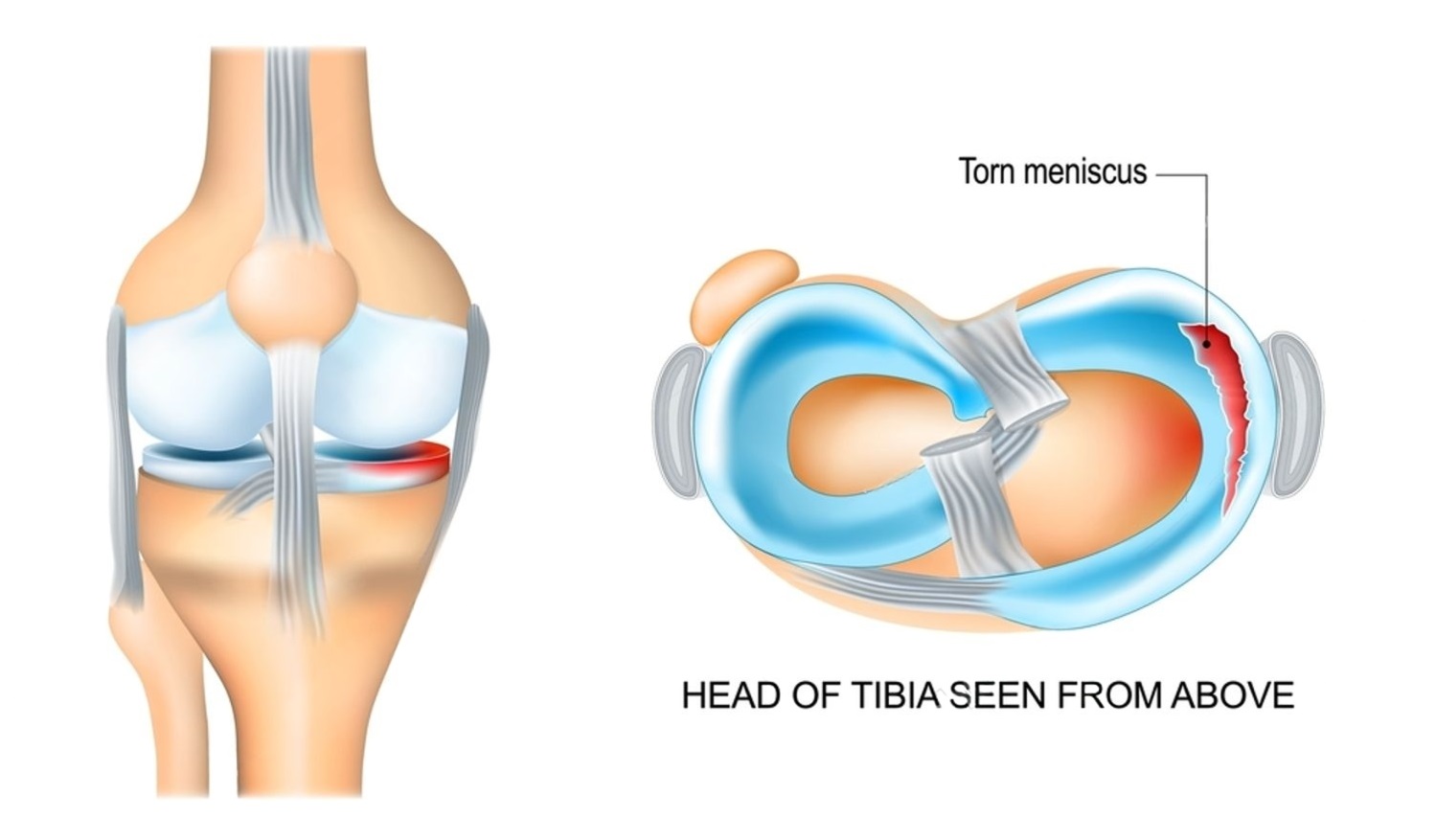
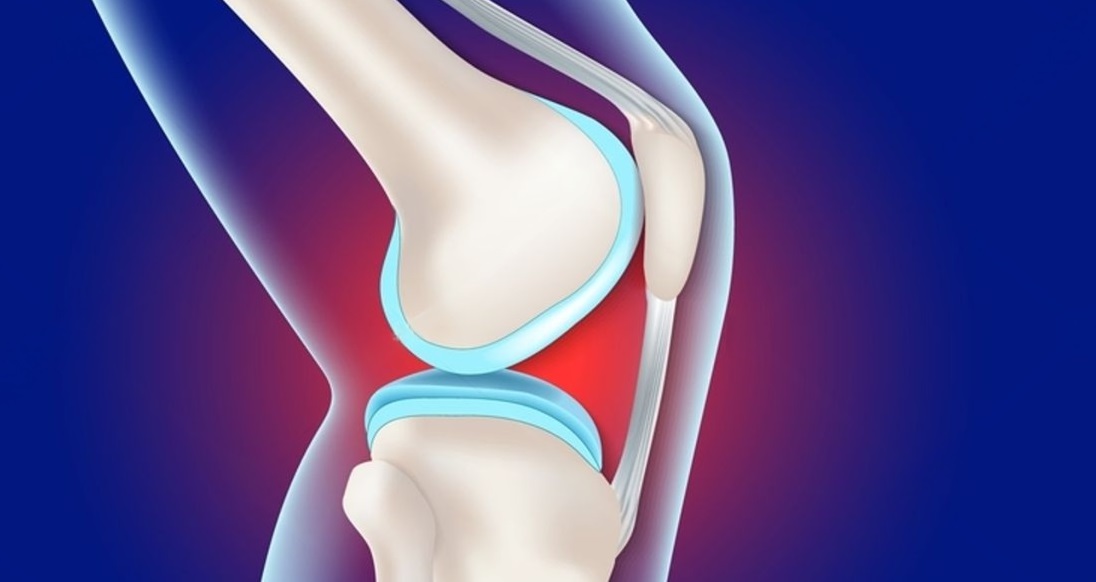
A meniscus tear is an injury to the C-shaped cartilage in the knee that acts as a cushion between the thighbone and shinbone. It commonly occurs due to sudden twisting movements, sports injuries, or age-related wear and tear. A torn meniscus can cause knee pain, swelling, stiffness, locking, and difficulty in movement. If left untreated, it may lead to long-term joint damage or arthritis. Treatment focuses on repairing or preserving the meniscus to restore smooth knee function and maintain overall joint health.
Why Meniscus Surgery is Done

Why is Meniscus Surgery Done?

The surgery to fix the meniscus is performed to:

  • Relieve knee pain and swelling: Surgery removes or repairs the torn cartilage causing discomfort.
  • Restore joint stability: Helps stabilize the knee during movement.
  • Improve mobility: Enables smoother bending and straightening of the knee.
  • Prevent early arthritis: Protects joint surfaces from long-term damage.
  • Restore meniscus balance: Maintains proper load distribution in the knee.
  • Enable return to sports: Supports safe return to athletic and daily activities.

Cost of Meniscus Surgery in Gurgaon

The cost of meniscus surgery in Gurgaon generally ranges from ₹80,000 to ₹2,50,000, depending on the type of meniscus tear, the surgical procedure performed (repair, partial meniscectomy, or meniscus balancing surgery), and hospital room facilities. Non-surgical treatment options are usually more affordable.

Still in Pain? Consult a Joint Specialist for Fast Relief

Book Free Consultation Call Now

Approximate Cost of Meniscus Treatments in Gurgaon

Type of Procedure Approximate Cost (INR)
Non-Surgical (Medication + Physiotherapy) ₹15,000 – ₹40,000
Arthroscopic Meniscus Repair ₹80,000 – ₹1,80,000
Meniscus Removal (Partial Meniscectomy) ₹1,00,000 – ₹2,00,000
Meniscus Balancing Surgery ₹1,20,000 – ₹2,50,000
Types of Arthroscopic Meniscus Repair

Types of Meniscus Surgery

1. Medication + Therapy (Conservative Treatment)

Minor meniscus tears can often heal with medications, rest, and physiotherapy, without the need for surgery.

2. Arthroscopic Meniscus Repair

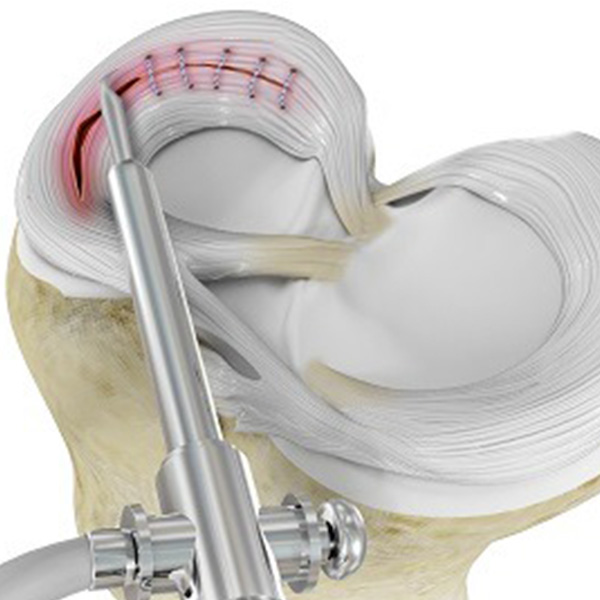
A minimally invasive procedure where the torn meniscus is repaired using a small camera and specialized instruments inserted through tiny incisions, helping preserve knee stability.

3. Partial Meniscectomy

When the torn meniscus cannot be repaired, the damaged portion is removed while preserving as much healthy cartilage as possible.

4. Meniscus Balancing Surgery in Gurgaon

Performed when the meniscus is misaligned or causing instability, this surgery restores proper weight distribution across the knee joint.

Hear Dr. Yugal speak about Arthroscopic Meniscus Repair

Watch Dr Yugal’s informative Reel Content
Benefits of Arthroscopic Meniscus Repair

Benefits of Arthroscopic Meniscus Repair

  • Preserves natural meniscus tissue: Protects the knee’s shock-absorbing cartilage.
  • Reduces arthritis risk: Maintains joint cushioning, lowering long-term degeneration.
  • Minimally invasive procedure: Performed through small incisions using arthroscopy.
  • Less pain and scarring: Smaller wounds mean reduced post-operative discomfort.
  • Faster recovery: Enables early mobilization and rehabilitation.
  • Restores knee stability: Improves balance and joint function.
  • Long-lasting relief: Provides durable pain relief and functional improvement.
Why Meniscus Surgery is Done

Risks of Meniscus Surgery

Although meniscus surgery is generally safe, some potential risks include:
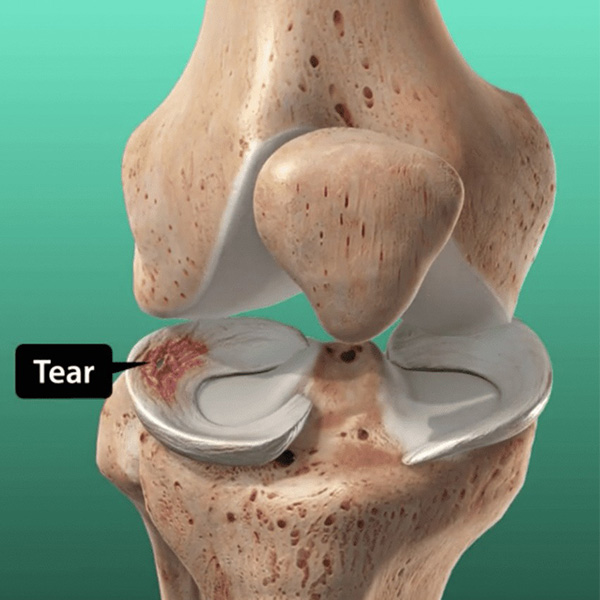
  • Infection or bleeding: May occur at the surgical site, though uncommon.
  • Knee stiffness: Temporary reduction in joint flexibility during recovery.
  • Swelling and discomfort: Post-operative inflammation may persist for some time.
  • Incomplete meniscus healing: Repaired cartilage may not fully heal in all cases.
  • Persistent pain: Mild or occasional pain can continue after surgery.
  • Revision surgery need: Rarely, additional surgery may be required.
Diagnosis Before Meniscus Surgery

Diagnosis Before Meniscus Surgery

For a meniscus tear, Dr. Yugal may use the following to confirm:
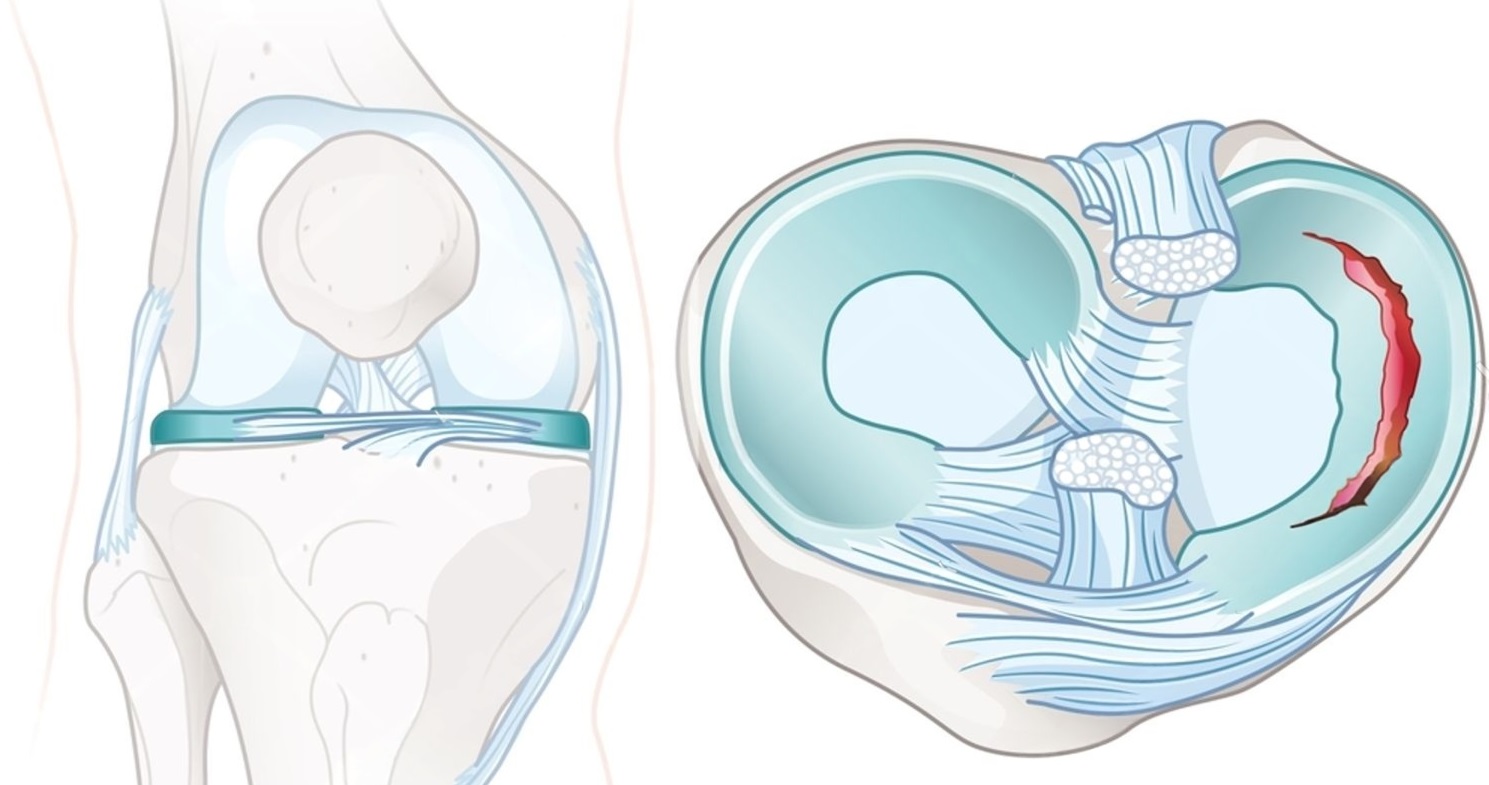
  • Physical examination: Doctor evaluates knee pain, swelling, locking, and range of motion.
  • X-rays: Used to rule out fractures or underlying bone damage.
  • MRI scan: Confirms the type, location, and severity of the meniscus tear.
  • Knee stability assessment: Checks ligament support and overall joint function.
  • Treatment planning: Findings help decide between meniscus repair or trimming surgery.
Why Meniscus Surgery is Done

Recovery After Arthroscopic Meniscus Repair

  • Hospital stay: Usually requires one to two days after arthroscopic meniscus repair.
  • Weight-bearing restriction: Limited weight on the operated knee may be advised initially.
  • Early physiotherapy: Rehabilitation typically begins within a week to restore movement.
  • Gradual activity recovery: Walking and daily activities improve over 6–12 weeks.
  • Full recovery timeline: Complete healing may take 3–6 months, depending on the repair type.
Why Meniscus Surgery is Done

How an Arthroscopic Meniscus Repair is Done?

  • Minimally invasive approach: Procedure is performed using arthroscopy through small keyhole incisions.
  • Arthroscope insertion: A small camera is inserted to visualize the knee joint internally.
  • Tear assessment: Surgeon identifies the type, location, and severity of the meniscus tear.
  • Meniscus repair or trimming: Torn cartilage is stitched (repaired) or carefully trimmed if irreparable.
  • Joint preservation: Maximum meniscus tissue is preserved to maintain knee cushioning.
  • Closure & recovery: Incisions are closed, followed by rehabilitation for healing and mobility restoration.

Have you been recommended to go in for Arthroscopic Meniscus Repair

Send your Reports for a FREE Expert Consultation
Book a Free Consultation

Why Choose Dr. Yugal for Meniscus Surgery in Gurgaon?

  • Expert meniscus surgeon: Dr. Yugal Karkhur is highly experienced in advanced meniscus repair surgeries.
  • Arthroscopic surgical expertise: Specializes in minimally invasive keyhole meniscus procedures.
  • Accurate diagnosis: Detailed clinical and imaging evaluation for precise treatment planning.
  • Personalized treatment approach: Surgery and rehabilitation tailored to each patient.
  • Advanced operation facilities: Equipped with modern arthroscopy technology.
  • Comprehensive recovery care: Structured physiotherapy and post-operative follow-up support.
  • Trusted patient outcomes: Known for successful recovery and return to active lifestyle.

FAQs on Arthroscopic Meniscus Repair

Dr. Yugal Karkhur is one of the Best Orthopedic Surgeon in Gurgaon for arthroscopic meniscus repair. He specializes in minimally invasive knee arthroscopy techniques that help preserve the meniscus, reduce pain, and enable faster recovery with improved knee function.

These fractures are usually treated by physiotherapy, and the majority of patients will make a good recovery in 3 to 6 months.

Yes, it would be preferable to repair (keep original tissue) but sometimes you have to remove it.

The cost generally falls between ₹80,000 to ₹2,50,000 depending on the procedure.

Dr. Yugal offers one of the most successful knee meniscal surgeries in Gurgaon, at his clinic, YK Orthopaedics with newer techniques and personalized patient care.

The vast majority of patients are able to resume sports activities after their proper recovery and physiotherapy (after 4-6 months post-operative period, depending on the repair type).

The surgery is not painful, it is performed under anesthesia. There may be some mild pain or swelling after the procedure but these symptoms are dealt with medication and physiotherapy.