A lot of patients are asking themselves, "How soon can I walk after ACL surgery?" It's all dependent on the speed at which your body heals and your ability to follow the guidelines that your physician has given you. In the majority of cases, walking is started using crutches and weight-bearing after a few days of surgery. The majority of people walk within 2 to 4 weeks, depending on the extent to which they've made progress.
Be aware that recovery following ACL rehabilitation is often slow and may differ for each person. Physical therapy could play an important role in aiding your knee to improve its mobility and strength, as well as securing the organ transplant when it turns into an extended ligament. In this blog, we walk you through the ACL procedure recovery timeline and walk you through each phase of moving around after ACL surgery.
The Initial Stage: Walking with Crutches After ACL Surgery
Days 1–4: The Very Beginning
A majority of patients having ACL surgery can walk on crutches for two or three days after the procedure. The main goals during this initial period are to protect your new ligament, reduce the pain and swelling, and limit swelling. It is possible to begin by partially carrying weight, so you could put some weight on the leg that you are operating, but you should also use crutches to aid in support.
The swelling and pain are managed with swelling and pain are controlled with the RICE method, which is the combination of rest with compression, ice, and elevating. Simple exercises, like ankle pumps or heel slides, will reduce stiffness and enable certain knee motions. A knee that is able to stretch and the capacity to completely straighten your legs are among the main goals that come with surgery.
Weeks 1–2: Gradual Increase in Weight-Bearing
As you progress into your second week, swelling will decrease, and your leg will be stabilized. The physical therapy process generally begins with moderate exercises designed to restore your range of motion as well as to make the quadriceps muscles that could have become weaker in your recovery, active.
Patients are advised to put a bit more weight on the limb in the event that it is comfortable and continue to use crutches. The stitches usually disappear in two weeks. Utilizing crutches in the right way at this point can assist in avoiding stress on the healing graft as well as aid in the transition to walking.
When to Walk Without Crutches After ACL Reconstruction
The 2 to 4 Week Milestone
A lot of patients can walk without crutches in two to four weeks following ACL reconstruction. However, this isn't a hard and fast rule since everyone heals differently. It's a milestone based on criteria in that you must meet certain physical goals before moving into walking on your own without assistance.
Key Milestones Before Ditching the Crutches
When you are ready to stop using crutches, your physical therapist will check that you are using:
- Effective Quadriceps Control is be ability to raise your leg straight and without the knee bent, also called "quad lag".
- A small amount of swelling in the knee shouldn't feel or appear puffy.
- Full Knee Extension: The capability to straighten the leg completely is essential to maintain the normal gait.
- The pain-free gait should be steady and comfortable when carrying the weight of your body.
Caution Against Rushing
Most importantly, walking without crutches early enough could cause a limp or a sluggish walk. In addition, it can cause excessive stress to the graft as it is healing, putting it at risk of reinjuring the graft. Follow your surgeon's as well as physiotherapist's recommendations-slow and steady progress is the best way to ensure longevity of knee stability and faster recovery.
The ACL Surgery Recovery Timeline: Beyond Walking
Recovery from ACL surgery happens in stages. Each stage helps strengthen the knee and prepares it for normal activities.
Weeks 4-6: Normalizing the Gait
In this stage, most are able to walk in a normal way. Physical therapy is an excellent method to build the quadriceps, hamstrings, and calf muscles as well, through exercises to improve balance. Low-impact, light exercises such as stationary cycling are often utilized to improve endurance and flexibility. The objective is to walk with ease and not stumble.
Months 2-4: Light Impact Activities
The therapist will be able to move you to a light jog on a treadmill or even a smooth surface after you have recovered your full mobility. In this stage, it is all about strengthening and coordinating, without placing too much strain on the ligament. In this phase, it is important to avoid twisting and jumping. be avoided since the ligament is healing.
Months 4-6: Running and Agility Drills
In this phase, the physical therapy will become more energetic. You'll be performing exercises for agility, like slow side steps or tiny jumps, to get your knee ready for regular activities. Rapid directional or high-impact modifications should be avoided due to the ligament, which is maturing during the ligamentization phase.
Months 9-12+: Return to Sport
The majority of patients gain strength between 9 and 12 months. They are then in a position to resume their sport or exercise. Before this, the physiotherapist and doctor will examine your balance, strength, and coordination. The ideal situation is that your injured leg must be at least 90 percent of the strength of the prior leg prior to returning to sports.
How Soon Can You Walk After ACL Surgery: Factors That Influence Your Pace
Every person's healing from ACL surgery is unique. Many factors influence the speed you can walk with confidence back to your normal activities:
- Concurrent Procedures: If you also suffered meniscus repairs, the doctor might suggest holding off on weight bearing for up to 4-6 weeks.
- Respect for Physical Therapy: Insistence on your rehabilitation sessions is the most important factor for recovery.
- Personal Health & Healing: The most crucial element is the patient's overall health and age. Exercise and a balanced diet help you recover fast
- Surgeon’s Protocol: every patient has a different protocol as per their health, so always listen to your surgeon, and don't compare it with other patients
When you keep these elements in mind, you will avoid any issues and will recover quickly and in a steady manner.
Best Orthopedic Doctor in Gurgaon for ACL Reconstruction
If you are considering ACL reconstruction surgery in Delhi NCR, choosing the best surgeon is vital to the process of recovery. A skilled orthopedic surgeon will finish the procedure with total accuracy and will assist you at every stage of healing.
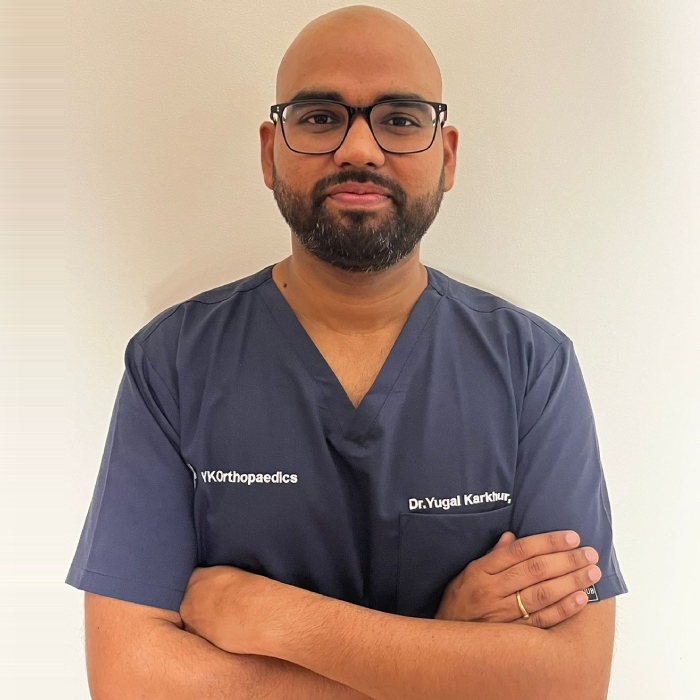
Dr. Yugal Kharkhur is the best Orthopedic doctor in Gurgaon, well-known for his 14+ expertise in arthroscopic as well as knee ligament procedures. He creates customized treatment plans for patients and makes sure that there is the proper post-surgery physiotherapy treatment on behalf of his patients. The patient-focused approach of his practice helps patients recover quickly, get the ability to move again, and get back to their active lives.
Key Takeaways for Walking After ACL Reconstruction in Gurgaon
The recovery process following ACL surgery is long. However, it is all about small steps. In the initial few days, using crutches will aid in protecting your knee. After two weeks, most people can walk independently. Be patient, completing exercises and following your doctor's advice will make an enormous improvement in your recovery fast, with no risk.
If you are living in Gurgaon, planning to undergo ACL surgery, the best orthopedic surgeon in Gurgaon is Dr. Yugal Kharkhur, having experience over 14+ years. he provides every patient recovering from ACL reconstructive surgery in Gurgaon a personalized and specific recovery plan to return to normal activities with confidence.