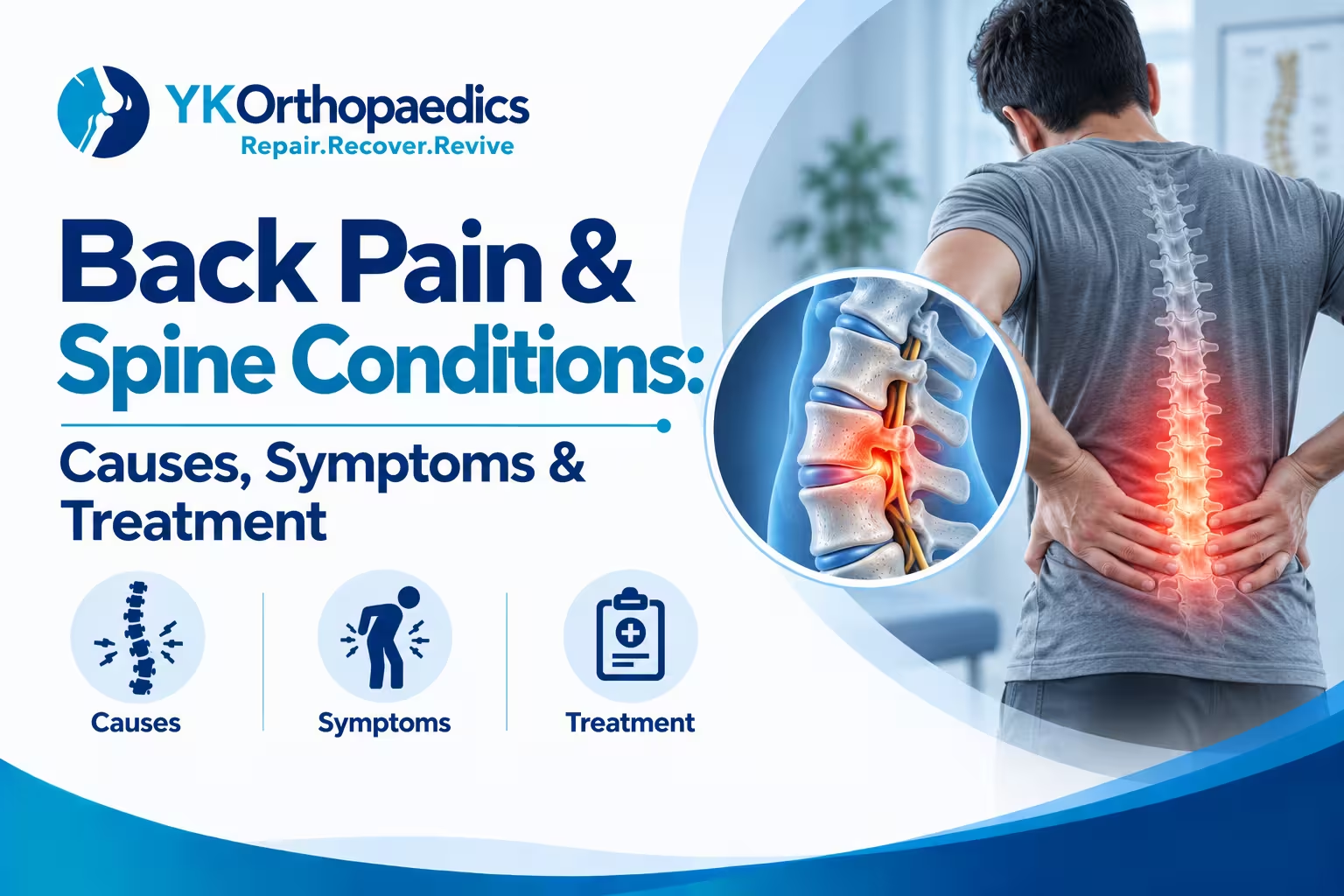
Back pain is a common orthopedic problem that can affect people of all ages. It may result from muscle strain, poor posture, spinal disc problems, nerve compression, injuries, or age-related changes in the spine. While many cases improve with appropriate conservative care, persistent or severe back pain may require evaluation by a spine specialist.
Common Causes of Back Pain
Back pain can develop due to several conditions, including:
- Muscle or ligament strain
- Herniated or slipped disc
- Sciatica and nerve compression
- Spinal stenosis
- Spondylosis and age-related spinal changes
- Poor posture and prolonged sitting
- Sports or road-accident injuries
- Spinal fractures
- Degenerative disc disease
Symptoms of Spine Conditions
Depending on the underlying problem, symptoms may include:
- Lower or upper back pain
- Pain spreading into the buttock or leg
- Numbness or tingling
- Muscle weakness
- Stiffness and restricted movement
- Difficulty standing or walking for long periods
- Pain that worsens with certain movements
Back pain accompanied by significant weakness, loss of bladder or bowel control, or numbness around the groin area requires urgent medical attention.
Common Spine Conditions
Slipped or Herniated Disc
A disc can bulge or herniate and irritate nearby nerves, potentially causing back pain, leg pain, numbness, or weakness.
Sciatica
Sciatica refers to pain caused by irritation or compression of the sciatic nerve. Pain commonly travels from the lower back through the buttock and into the leg.
Spinal Stenosis
Spinal stenosis occurs when the spaces around the spinal nerves become narrowed. It can cause back or leg pain, numbness, and difficulty walking.
Spondylosis
Spondylosis describes age-related degenerative changes in the spine that may cause stiffness and discomfort.
How Are Back and Spine Problems Diagnosed?
An orthopedic or spine specialist will evaluate your symptoms, medical history, and physical examination findings. Depending on the suspected condition, imaging such as X-rays, MRI, or CT scans may be recommended.
Treatment for Back Pain
Treatment depends on the cause and severity of the condition.
Non-Surgical Treatment
Many back problems can initially be managed with:
- Activity modification
- Physiotherapy
- Posture and movement correction
- Strengthening exercises
- Pain-relieving medication when medically appropriate
- Weight management where relevant
Surgical Treatment
Surgery may be considered when there is significant nerve compression, spinal instability, structural damage, or persistent symptoms that do not improve with appropriate conservative treatment.
The specific procedure depends on the underlying spine condition.
When Should You See a Spine Specialist?
Consider an orthopedic or spine evaluation if back pain:
- Persists or keeps getting worse
- Radiates into the leg or arm
- Causes numbness, tingling, or weakness
- Limits walking or everyday activities
- Develops after a significant injury
- Does not improve with appropriate conservative care
Early diagnosis can help identify the cause and determine the most appropriate treatment.
Expert Opinion
According to Dr. Yugal Karkhur, one of the best orthopedic doctors in Gurgaon and a fellowship-trained joint replacement surgeon, persistent back pain should not be ignored, particularly when it is accompanied by leg pain, numbness, weakness, or difficulty with movement. Proper evaluation can help distinguish simple muscular pain from problems involving the spine or nerves.
Frequently Asked Questions
What is the most common cause of back pain?
Muscle or ligament strain, poor posture, disc problems, and age-related changes are common causes. The exact cause depends on the symptoms and clinical findings.
Can back pain get better without surgery?
Yes. Many back pain conditions improve with appropriate activity modification, physiotherapy, exercises, and other conservative treatments.
When does back pain require surgery?
Surgery may be considered when there is significant structural or nerve-related damage, persistent symptoms despite appropriate treatment, or specific neurological problems.
Is back pain always related to the spine?
No. Back pain can also originate from muscles, ligaments, joints, or other structures. A proper evaluation is important to determine the cause.