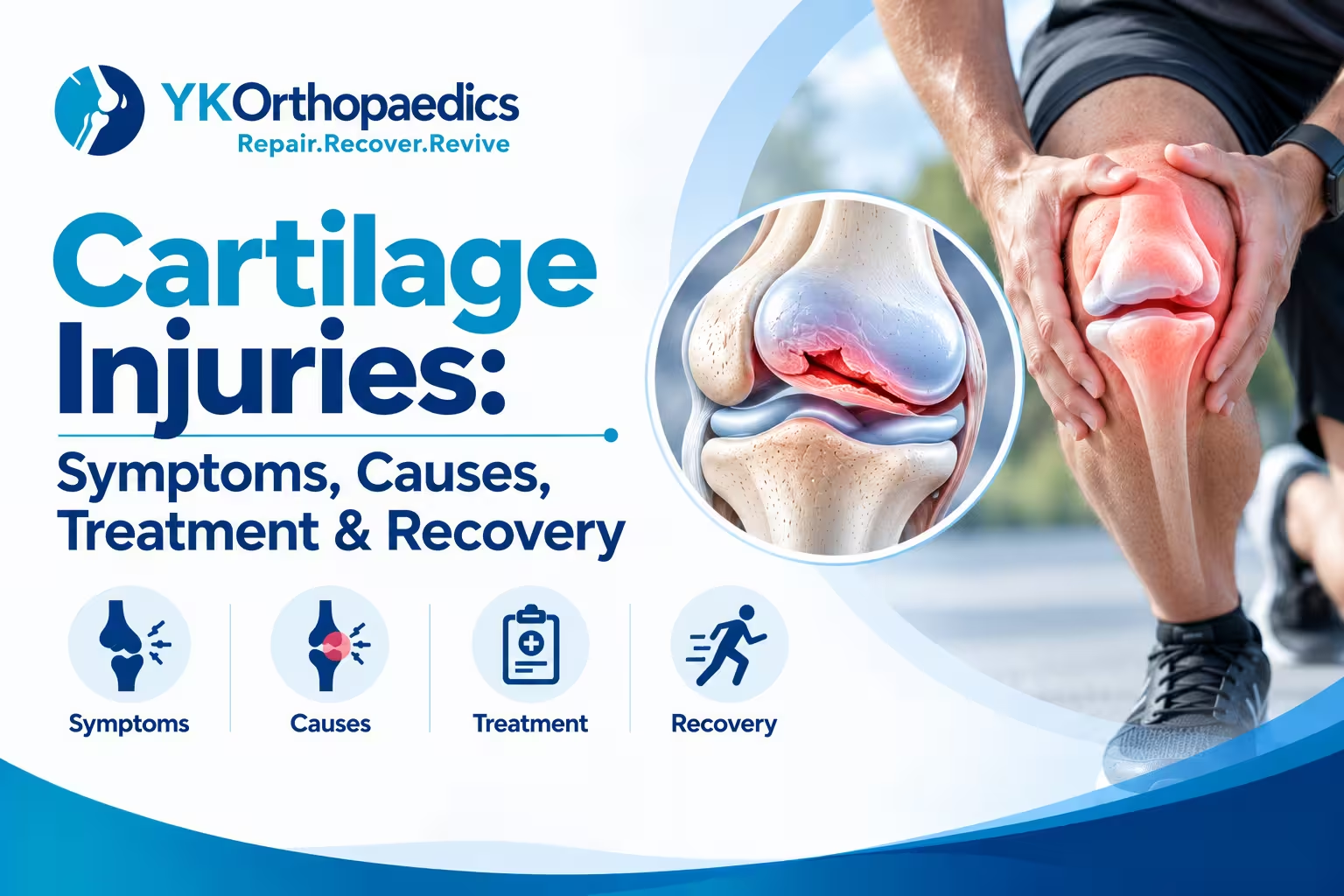
Cartilage injuries can affect the smooth tissue that cushions and protects the ends of bones inside a joint. They are commonly seen in the knee, hip, ankle, and shoulder and may occur because of sports injuries, falls, repetitive stress, or gradual joint damage.
A cartilage injury can cause pain, swelling, stiffness, clicking, or difficulty moving the affected joint. Early evaluation can help determine the extent of damage and the appropriate treatment.
What Are Cartilage Injuries?
Cartilage helps bones move smoothly within a joint and absorbs impact during activities such as walking, running, and jumping. When cartilage becomes damaged, the joint may lose some of its ability to move smoothly and absorb load.
Cartilage damage can range from a small localized injury to more extensive damage involving the joint surface.
Common Causes of Cartilage Injuries
Cartilage injuries may occur due to:
- Sports injuries and sudden twisting movements
- Falls or direct impact
- Repetitive stress on a joint
- Previous ligament or meniscus injuries
- Joint instability
- Gradual wear and degeneration
- Previous joint surgery
Symptoms of Cartilage Damage
Common symptoms include:
- Joint pain, especially during activity
- Swelling
- Stiffness
- Clicking or grinding sensations
- Reduced range of motion
- Difficulty putting weight on the joint
- A catching or locking sensation in some cases
Knee cartilage injuries may make activities such as running, squatting, climbing stairs, or playing sports uncomfortable.
Cartilage Injuries in the Knee
The knee is particularly vulnerable to cartilage damage because it carries significant body weight and is exposed to repeated stress.
Cartilage damage may occur along with ACL injuries, meniscus tears, or other knee problems. Identifying associated injuries is important because treatment may need to address more than just the cartilage damage.
How Are Cartilage Injuries Diagnosed?
An orthopedic doctor will examine the joint and assess pain, movement, stability, and other symptoms. X-rays may be used to evaluate the bones and joint space, while an MRI scan can provide more detailed information about cartilage and other soft tissues.
Treatment for Cartilage Injuries
Treatment depends on the location, size, and severity of the cartilage injury, as well as the patient's age and activity level.
Non-Surgical Treatment
Less severe injuries may be managed with:
- Activity modification
- Physiotherapy
- Strengthening and mobility exercises
- Weight management where appropriate
- Pain management
- Injections in selected cases
Surgical Treatment
Surgery may be considered for significant cartilage damage or when symptoms continue despite appropriate non-surgical treatment.
Depending on the injury, treatment may involve arthroscopic procedures or cartilage-restoration techniques. In cases where cartilage damage has progressed to advanced arthritis, joint replacement may be considered for appropriately selected patients.
Recovery From Cartilage Injuries
Recovery varies depending on the location and severity of the injury and the treatment used. Rehabilitation generally focuses on restoring movement, improving muscle strength, controlling symptoms, and gradually returning to normal activities.
Following the recommended rehabilitation program is particularly important for patients who want to return to sports.
When Should You See an Orthopedic Doctor?
You should consider an orthopedic evaluation if joint pain, swelling, stiffness, clicking, locking, or restricted movement continues after an injury or starts interfering with daily activities or sports.
Early diagnosis can help determine the extent of cartilage damage and prevent further problems.
Expert Opinion
According to Dr. Yugal Karkhur, one of the best orthopedic doctors in Gurgaon and a fellowship-trained joint replacement surgeon, cartilage injuries should be evaluated carefully, particularly when pain or mechanical symptoms continue after a sports injury. Identifying associated ligament or meniscus problems can also be important when planning treatment.
Frequently Asked Questions
Can cartilage injuries heal on their own?
Cartilage has limited natural healing capacity. The possibility of healing depends on the location and extent of the injury, so persistent symptoms should be evaluated by an orthopedic specialist.
Can cartilage damage be treated without surgery?
Yes. Depending on the severity, treatment may include activity modification, physiotherapy, strengthening exercises, and other non-surgical options.
Can cartilage damage lead to arthritis?
Significant or untreated cartilage damage can contribute to progressive joint degeneration and may increase the risk of osteoarthritis.
Can I play sports after a cartilage injury?
Many patients can return to sports after appropriate treatment and rehabilitation, but the timing depends on the type and severity of cartilage injury and the treatment provided.