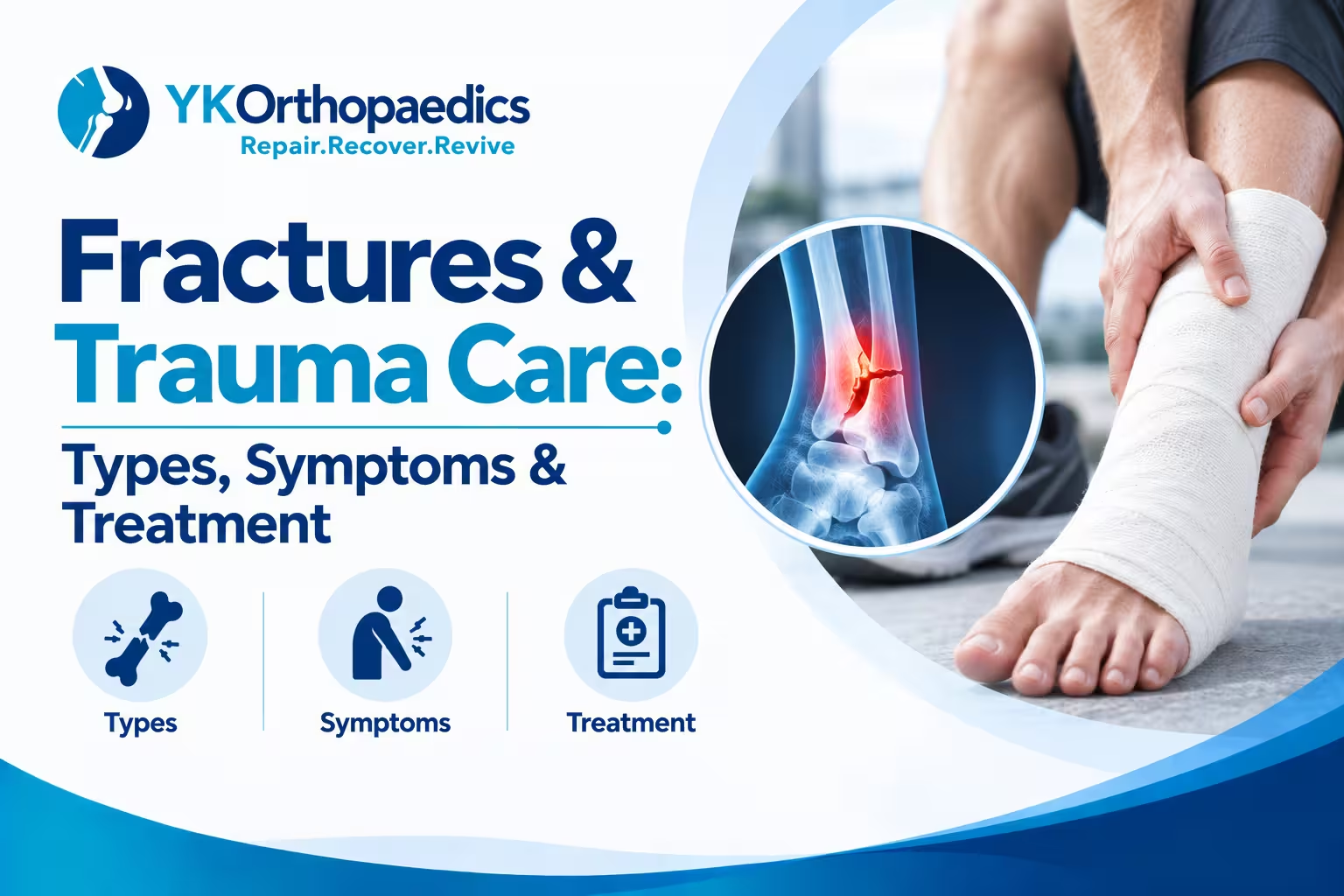
Fractures and traumatic injuries can happen due to falls, road accidents, sports injuries, or direct impact. A fracture occurs when a bone partially or completely breaks. Prompt and appropriate treatment is important to restore bone alignment, protect surrounding tissues, and support proper healing.
What Are Fractures?
A fracture is a break or crack in a bone. Fractures can vary in severity and may involve a small crack, a complete break, or multiple bone fragments.
Common types include:
- Simple or closed fractures
- Open fractures
- Displaced fractures
- Non-displaced fractures
- Comminuted fractures
- Stress fractures
Fractures can affect almost any bone, including the wrist, arm, shoulder, hip, pelvis, ankle, and leg.
Common Causes of Fractures and Trauma
Fractures and orthopedic trauma may occur because of:
- Road traffic accidents
- Falls
- Sports injuries
- Direct blows or collisions
- Workplace accidents
- Twisting injuries
- Weak bones or osteoporosis
Symptoms of a Fracture
Common signs of a fracture include:
- Sudden and severe pain
- Swelling and bruising
- Difficulty moving the injured area
- Difficulty putting weight on the limb
- Abnormal shape or deformity
- Tenderness around the injured bone
- In some cases, an open wound with visible bone
A suspected fracture after a significant injury should be medically evaluated rather than treated at home.
How Are Fractures Diagnosed?
An orthopedic doctor will examine the injured area and may recommend X-rays to identify the fracture and assess its alignment. CT scans or MRI may be required for certain complex fractures or associated soft-tissue injuries.
Treatment for Fractures
Treatment depends on the location, type, severity, and alignment of the fracture.
Non-Surgical Treatment
Some stable fractures can be treated with:
- Splints or casts
- Bracing
- Activity restriction
- Pain management
- Follow-up imaging to monitor healing
Surgical Treatment
Surgery may be required when a fracture is significantly displaced, unstable, involves a joint, or cannot be adequately treated with immobilization.
Depending on the injury, surgical treatment may involve plates, screws, rods, or other fixation techniques to restore and maintain bone alignment.
Trauma Care and Rehabilitation
Major trauma can involve more than just a broken bone. Ligaments, tendons, muscles, nerves, and blood vessels may also be affected.
After the fracture is stabilized, rehabilitation may include physiotherapy and gradual exercises to restore:
- Joint movement
- Muscle strength
- Balance and coordination
- Weight-bearing ability
- Normal function
The rehabilitation plan depends on the injury and treatment provided.
When Should You Seek Emergency Care?
Immediate medical attention is important after a serious injury, particularly if there is:
- Severe pain or significant swelling
- Visible deformity
- An open wound near the suspected fracture
- Inability to move or bear weight
- Numbness or loss of sensation
- Pale, blue, or cold fingers or toes
- A major road accident or high-impact injury
Expert Opinion
According to Dr. Yugal Karkhur, one of the best orthopedic doctors in Gurgaon and a fellowship-trained joint replacement surgeon, fractures and traumatic injuries should be assessed promptly to determine the extent of bone and soft-tissue damage. Appropriate treatment and timely rehabilitation can help support proper healing and restore function.
Frequently Asked Questions
Can every fracture heal without surgery?
No. Some stable fractures can heal with casting or bracing, while displaced, unstable, or complex fractures may require surgery.
How long does a fracture take to heal?
Healing time varies depending on the bone, type of fracture, severity of the injury, age, and overall health. Follow-up evaluation is important to monitor healing.
What should I do if I suspect a fracture?
Avoid putting unnecessary weight or pressure on the injured area and seek medical evaluation. Do not attempt to straighten a visibly deformed limb yourself.
Can fractures cause long-term problems?
Some complex fractures can lead to stiffness, reduced movement, malalignment, or post-traumatic arthritis. Appropriate treatment and rehabilitation can help reduce these risks.