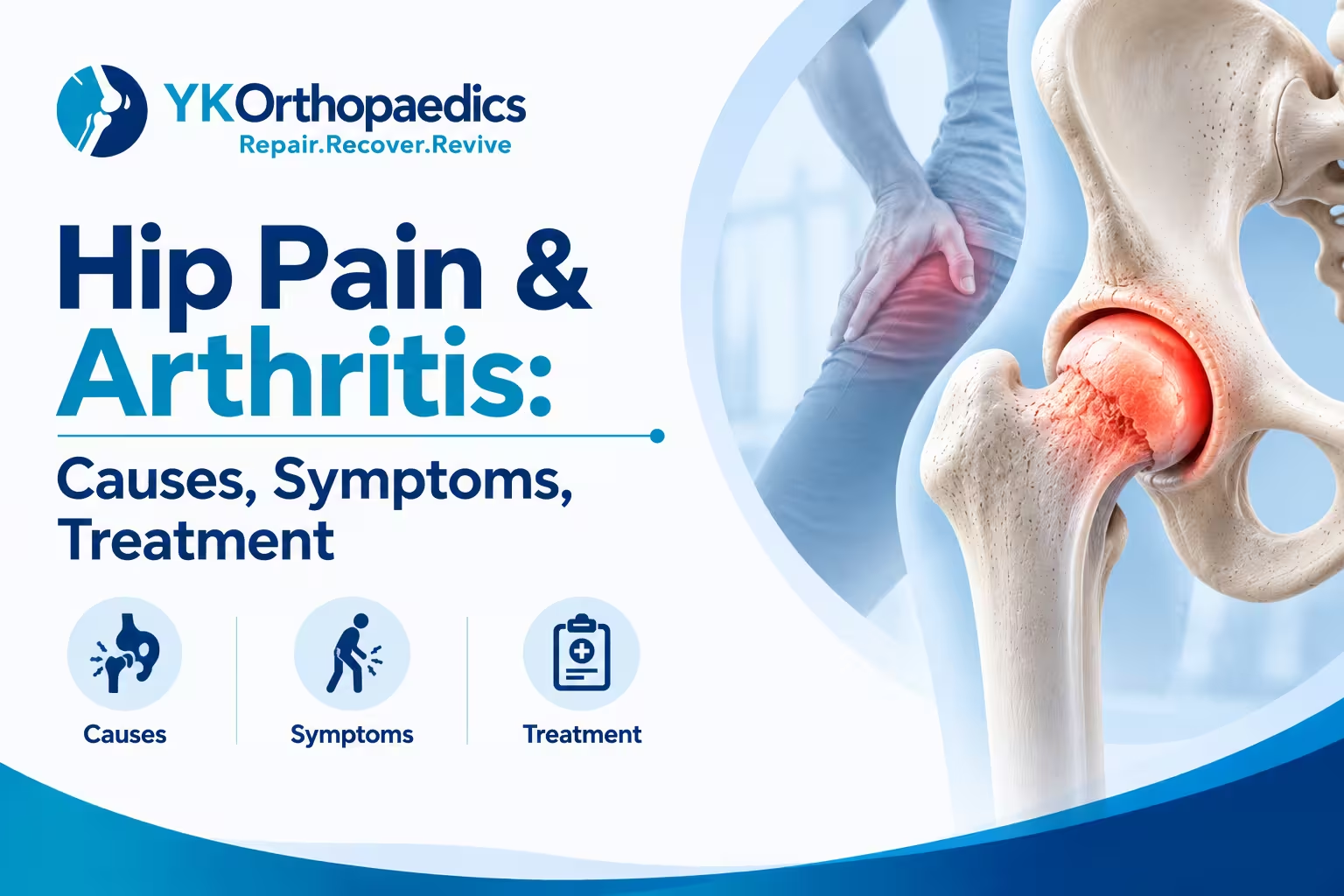
Hip pain is a common problem that can develop due to arthritis, injuries, muscle or tendon problems, or other conditions affecting the hip joint. Hip arthritis, particularly osteoarthritis, can gradually damage the cartilage and cause increasing pain and stiffness.
When hip pain starts affecting walking, climbing stairs, sleeping, or everyday activities, an orthopedic evaluation can help identify the underlying cause.
What Causes Hip Pain?
Hip pain can occur due to several conditions, including:
- Hip osteoarthritis
- Previous hip injuries or fractures
- Avascular necrosis (AVN) of the hip
- Tendon or muscle injuries
- Hip bursitis
- Labral injuries
- Overuse or repetitive stress
- Joint inflammation
The location and nature of the pain can provide clues about its possible cause, but proper diagnosis may require a physical examination and imaging.
Symptoms of Hip Arthritis
Common symptoms of hip arthritis include:
- Pain in the hip or groin
- Pain that may spread toward the thigh or knee
- Stiffness, particularly after resting
- Difficulty walking or climbing stairs
- Reduced hip movement
- Pain while putting on shoes or socks
- Difficulty getting up from a chair
- Increasing discomfort during daily activities
As arthritis progresses, pain may become more frequent and can sometimes occur even during rest.
How Is Hip Arthritis Diagnosed?
An orthopedic doctor will assess your symptoms and examine the movement and function of the hip. X-rays are commonly used to look for narrowing of the joint space, changes in the bone, and other signs of arthritis.
Additional imaging, such as an MRI, may be recommended when another condition is suspected or when more detailed evaluation is required.
Treatment for Hip Pain & Arthritis
Treatment depends on the underlying cause and severity of the condition.
Non-Surgical Treatment
Early or less severe hip arthritis may be managed with:
- Activity modification
- Physiotherapy and strengthening exercises
- Weight management where appropriate
- Pain-relieving medication when medically suitable
- Walking support when required
- Injections in selected cases
Hip Replacement Surgery
When advanced hip arthritis causes persistent pain and significantly affects mobility or quality of life despite appropriate non-surgical treatment, total hip replacement surgery may be considered.
During hip replacement, damaged parts of the hip joint are replaced with artificial components. The goal is to relieve pain and improve hip function and mobility.
When Should You See an Orthopedic Doctor?
You should seek an orthopedic evaluation if hip pain:
- Persists or gradually gets worse
- Interferes with walking or daily activities
- Causes persistent stiffness or reduced movement
- Disturbs sleep
- Makes climbing stairs or standing difficult
- Does not improve with appropriate rest and basic treatment
Early assessment can help determine whether the pain is caused by arthritis, an injury, AVN, or another hip condition.
Expert Opinion
According to Dr. Yugal Karkhur, one of the best orthopedic doctors in Gurgaon and a fellowship-trained joint replacement surgeon, persistent hip pain should be properly evaluated rather than being assumed to be a normal part of ageing. Identifying the cause and severity of hip damage helps determine whether conservative treatment or hip replacement may be appropriate.
Frequently Asked Questions
Can hip arthritis be cured without surgery?
Early hip arthritis may often be managed with non-surgical treatments to control symptoms and maintain mobility. Advanced arthritis with significant joint damage may eventually require hip replacement.
Where does hip arthritis pain usually occur?
Hip arthritis commonly causes pain around the groin and hip, although discomfort may also extend into the thigh or knee.
Is walking good for hip arthritis?
Appropriate low-impact activity can help maintain mobility and muscle strength. However, exercise should be adjusted according to pain and the severity of the condition.
When is hip replacement recommended?
Hip replacement may be considered when arthritis is advanced, pain is persistent, daily activities are significantly affected, and appropriate non-surgical treatments no longer provide adequate relief.