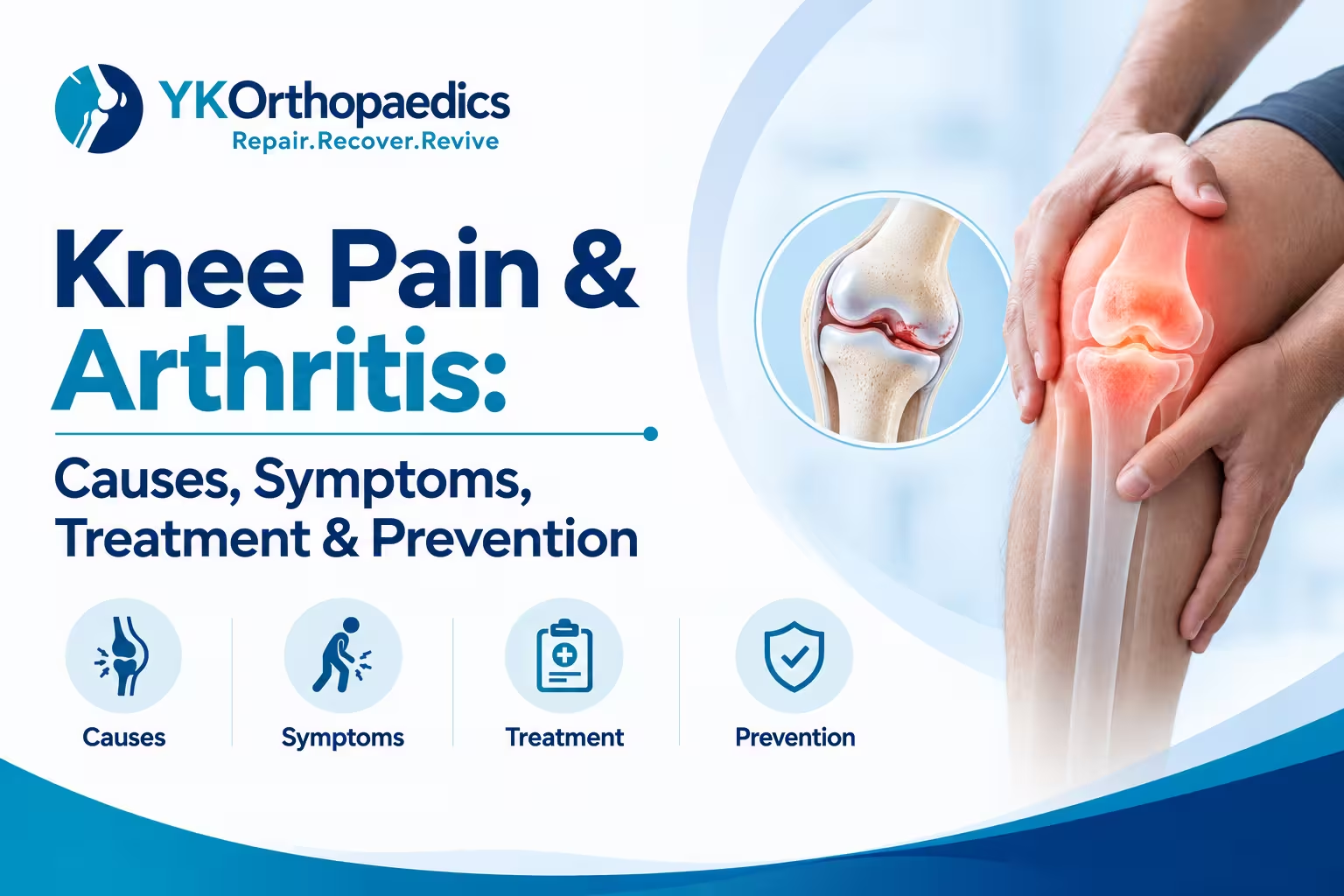
Knee pain and arthritis are common causes of discomfort, stiffness and difficulty walking, particularly as the knee joint becomes damaged over time. Knee arthritis can cause pain while walking, climbing stairs, standing or getting up from a chair. Common symptoms include knee pain, swelling, stiffness, reduced movement and occasional cracking or grinding sounds. Treatment depends on the severity and cause of the problem. Early arthritis may often be managed with exercise, physiotherapy, weight management, medicines and other non-surgical treatments. When arthritis becomes advanced and significantly affects daily life despite these measures, knee replacement surgery may be considered. An orthopedic evaluation can help determine the extent of joint damage and the most appropriate treatment.
What Is Knee Arthritis?
Knee arthritis occurs when the tissues and surfaces of the knee joint become damaged or inflamed. Osteoarthritis is the most common type and develops as the protective cartilage gradually wears down.
As the condition progresses, the bones can move less smoothly against each other, leading to pain, stiffness and reduced mobility.
Common Symptoms of Knee Arthritis
You may experience:
- Knee pain while walking or standing
- Pain while climbing or descending stairs
- Morning or after-rest stiffness
- Swelling around the knee
- Reduced knee movement
- Difficulty sitting or standing for long periods
- Grinding or cracking sensations
- Knee weakness
- Difficulty performing everyday activities
Symptoms can vary depending on the severity of arthritis.
Causes of Knee Arthritis
Common causes and contributing factors include:
- Age-related cartilage degeneration
- Previous knee injury
- Meniscus or ligament injuries
- Obesity or excess body weight
- Repeated stress on the knee
- Previous knee surgery
- Certain inflammatory joint conditions
- Genetic or structural factors
Risk Factors for Knee Arthritis
| Risk Factor | How It May Affect the Knee |
|---|---|
| Increasing age | Cartilage is more likely to deteriorate |
| Excess weight | Increases load on the knee joint |
| Previous injury | Can accelerate joint degeneration |
| Sports or repetitive activity | May increase joint stress |
| Previous surgery | Can contribute to later degeneration |
| Family history | May increase susceptibility |
How Is Knee Arthritis Diagnosed?
An orthopedic doctor may assess:
- Your symptoms and medical history
- Knee movement and stability
- Swelling and tenderness
- Alignment of the legs
- Walking pattern
X-rays are commonly used to assess joint-space narrowing, bone changes and arthritis severity. Additional imaging such as MRI may be recommended when another knee problem, such as a meniscus or ligament injury, is suspected.
Treatment for Knee Pain and Arthritis
Treatment depends on the severity of arthritis.
Early or Mild Arthritis
Treatment may include:
- Physiotherapy
- Strengthening exercises
- Weight management
- Activity modification
- Pain-relieving medicines when prescribed
- Selected injections
Advanced Arthritis
If severe arthritis causes persistent pain and major limitations despite appropriate non-surgical treatment, knee replacement surgery may be considered.
Depending on the condition, options may include:
- Total knee replacement
- Partial knee replacement
- Robotic-assisted knee replacement
Can Knee Arthritis Be Cured Without Surgery?
Early-stage arthritis can often be managed without surgery, although treatment does not necessarily reverse established cartilage damage.
Maintaining a healthy weight, strengthening the muscles around the knee and following an appropriate exercise programme can help reduce symptoms and improve function.
For severe arthritis with significant joint damage, non-surgical treatment may eventually provide insufficient relief.
When Should You See an Orthopedic Doctor?
Consult an orthopedic specialist if knee pain:
- Persists for several weeks
- Is getting progressively worse
- Causes repeated swelling
- Limits walking or climbing stairs
- Causes significant stiffness
- Interferes with sleep or daily activities
- Continues despite home treatment
An earlier evaluation can help identify the cause and determine whether the condition can be managed conservatively.
Orthopedic Doctor for Knee Pain in Gurgaon
Dr. Yugal Karkhur is an Orthopaedic and Joint Replacement Specialist in Gurgaon with 14+ years of experience. His practice includes treatment for knee arthritis, knee pain, total knee replacement, partial knee replacement, robotic knee replacement and knee arthroscopy.
For patients looking for the Best Orthopedic Doctor in Gurgaon, a proper evaluation can help determine whether knee pain requires conservative treatment or joint replacement.
Expert Opinion
According to Dr. Yugal Karkhur, one of the best orthopedic doctors in Gurgaon and a fellowship-trained joint replacement surgeon, knee pain should not automatically be considered a normal part of ageing.
The cause and severity of knee pain should be identified before choosing treatment. Many patients with early arthritis can benefit from appropriate exercise, physiotherapy and lifestyle changes, while advanced arthritis may require joint replacement when pain and disability become significant.
Conclusion
Knee pain and arthritis can range from mild discomfort to severe joint damage that affects everyday mobility. Early treatment, appropriate exercise and lifestyle changes may help manage symptoms, while advanced arthritis may require surgical treatment.
If your knee pain is persistent or affecting your daily activities, an evaluation by an orthopedic specialist can help identify the cause and guide the right treatment.
FAQs
What are the most common symptoms of knee arthritis?
Knee pain, stiffness, swelling, reduced movement and grinding or cracking sensations are common symptoms.
Can knee arthritis be treated without surgery?
Yes. Early or moderate arthritis may often be managed with exercise, physiotherapy, weight management, medicines and other non-surgical treatments.
Is knee pain always caused by arthritis?
No. Knee pain can also result from ligament injuries, meniscus tears, bursitis, tendinitis, gout and other conditions.
Can exercise help knee arthritis?
Appropriate strengthening and low-impact exercises can help improve muscle strength, mobility and function. Exercises should be selected according to the individual's condition.
When does knee arthritis require replacement?
Knee replacement may be considered when arthritis is advanced, pain is persistent and daily activities remain significantly affected despite appropriate non-surgical treatment.
Who should I consult for knee arthritis in Gurgaon?
An orthopedic and joint replacement specialist can evaluate your symptoms, examine the knee and recommend appropriate treatment based on the severity of the condition.