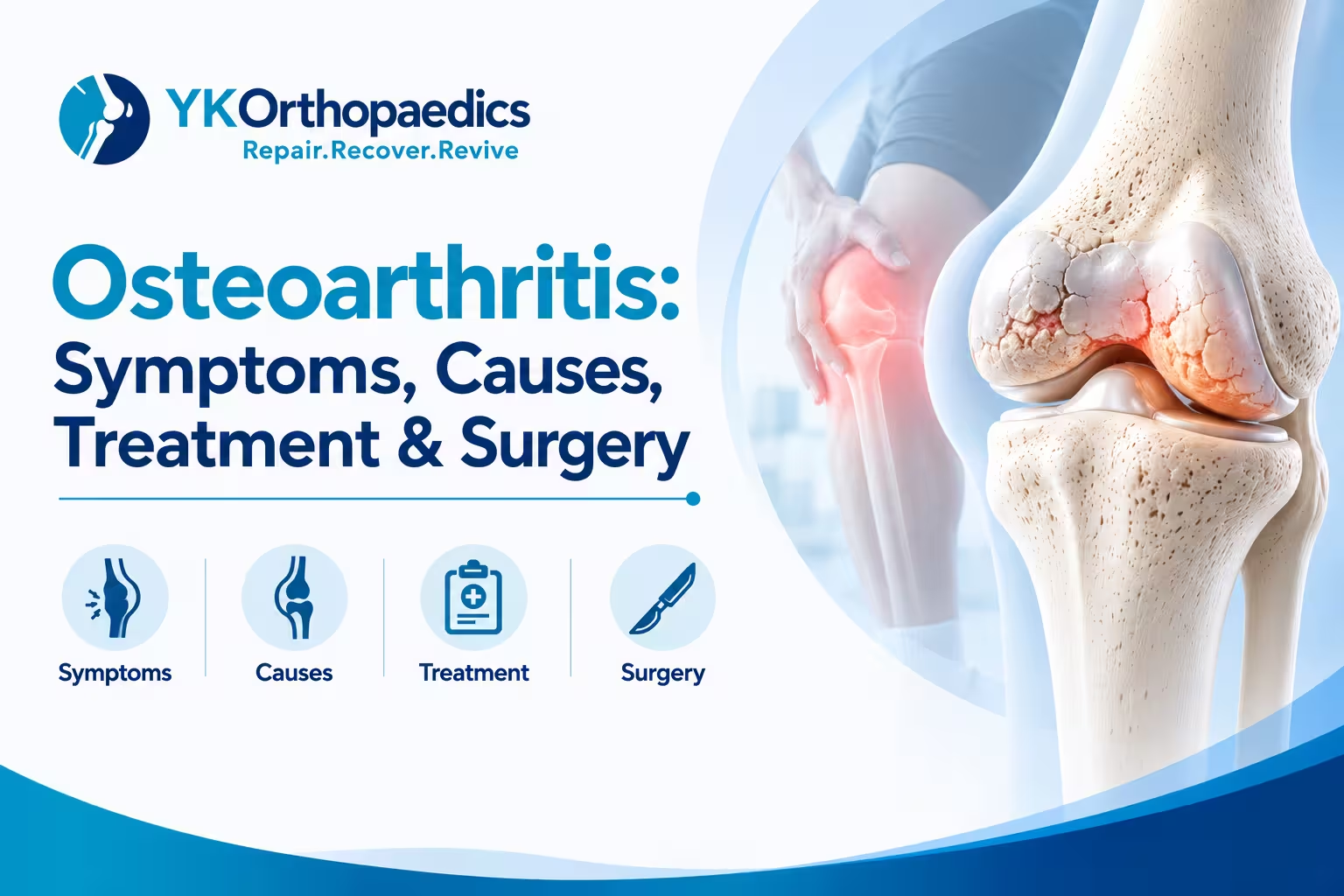
Osteoarthritis is one of the most common causes of joint pain and stiffness, particularly in the knees and hips. It develops when the cartilage that cushions the ends of bones gradually wears down, causing pain and difficulty with joint movement. Although osteoarthritis is more common with age, it can also develop earlier due to previous injuries, excess weight, repetitive stress, or joint abnormalities.
What Is Osteoarthritis?
Osteoarthritis is a degenerative joint condition that affects the cartilage and other structures within a joint. As cartilage becomes thinner or damaged, the bones can experience increased friction during movement. Over time, this may lead to pain, stiffness, swelling, and reduced mobility.
The condition commonly affects the knees, hips, hands, and spine, although almost any joint can be affected.
Symptoms of Osteoarthritis
Osteoarthritis symptoms usually develop gradually and may become more noticeable over time. Common symptoms include:
- Pain during or after movement
- Joint stiffness, especially after waking up or sitting for a long time
- Swelling or tenderness around the joint
- Reduced flexibility and range of motion
- Clicking, cracking, or grinding sensations
- Difficulty walking, climbing stairs, or performing daily activities
Knee osteoarthritis may make activities such as getting up from a chair, squatting, climbing stairs, or walking for long periods increasingly difficult.
Causes and Risk Factors of Osteoarthritis
Several factors can increase the likelihood of developing osteoarthritis:
Age
The risk of osteoarthritis generally increases as people get older because the joint structures undergo gradual wear and changes.
Previous Joint Injury
A previous ligament injury, fracture, cartilage injury, or joint surgery can increase the risk of arthritis in that joint later in life.
Excess Weight
Extra body weight places additional stress on weight-bearing joints such as the knees and hips. Weight management can therefore be an important part of managing osteoarthritis.
Repetitive Joint Stress
Certain occupations and sports that repeatedly place stress on a particular joint may contribute to joint degeneration.
Joint Abnormalities
Abnormal joint alignment or certain structural conditions can cause uneven stress on the cartilage and increase the risk of osteoarthritis.
How Is Osteoarthritis Diagnosed?
An orthopedic doctor usually begins with a discussion of symptoms and a physical examination. Depending on the joint and symptoms, X-rays or other imaging tests may be recommended to assess joint changes.
The diagnosis and severity of osteoarthritis help determine whether treatment should focus on lifestyle changes, physiotherapy, medication, injections, or surgery.
Treatment for Osteoarthritis
Treatment depends on the severity of arthritis, the affected joint, the patient's age and activity level, and how much the symptoms interfere with daily life.
Non-Surgical Treatment
Mild to moderate osteoarthritis can often be managed with a combination of:
- Physiotherapy and strengthening exercises
- Weight management
- Activity modification
- Pain-relieving medicines when medically appropriate
- Walking aids or supportive devices in selected cases
- Joint injections for suitable patients
The aim is to reduce pain, maintain joint movement, and help the patient remain active.
Joint Replacement Surgery
When osteoarthritis becomes advanced and causes persistent pain or significant difficulty with everyday activities despite appropriate non-surgical treatment, joint replacement surgery may be considered.
For severe knee arthritis, total or partial knee replacement can replace the damaged joint surfaces and help improve pain and mobility in appropriately selected patients.
When Should You See an Orthopedic Doctor?
You should consider an orthopedic evaluation if joint pain or stiffness:
- Continues for several weeks
- Interferes with walking or daily activities
- Becomes progressively worse
- Causes significant difficulty climbing stairs or exercising
- Is associated with persistent swelling or reduced movement
Early evaluation can help determine the severity of joint damage and identify appropriate treatment options.
Expert Opinion
According to Dr. Yugal Karkhur, one of the best orthopedic doctors in Gurgaon and a fellowship-trained joint replacement surgeon, persistent joint pain should not simply be considered a normal part of ageing. Proper evaluation can help identify osteoarthritis and determine whether conservative treatment or joint replacement may be appropriate.
Frequently Asked Questions
Is osteoarthritis curable?
There is currently no treatment that completely reverses established cartilage loss. However, symptoms can often be managed, and advanced arthritis may be treated with joint replacement when appropriate.
Can osteoarthritis occur at a young age?
Yes. Previous injuries, obesity, joint abnormalities, repetitive stress, and certain medical conditions can contribute to osteoarthritis in younger people.
Is walking good for osteoarthritis?
Low-impact physical activity and appropriate strengthening exercises can help maintain mobility and muscle strength. The exercise plan should be adjusted according to the severity of symptoms.
Does everyone with osteoarthritis need surgery?
No. Many people can manage their symptoms without surgery. Joint replacement is generally considered when arthritis is advanced and pain and functional limitations remain significant despite appropriate non-surgical treatment.