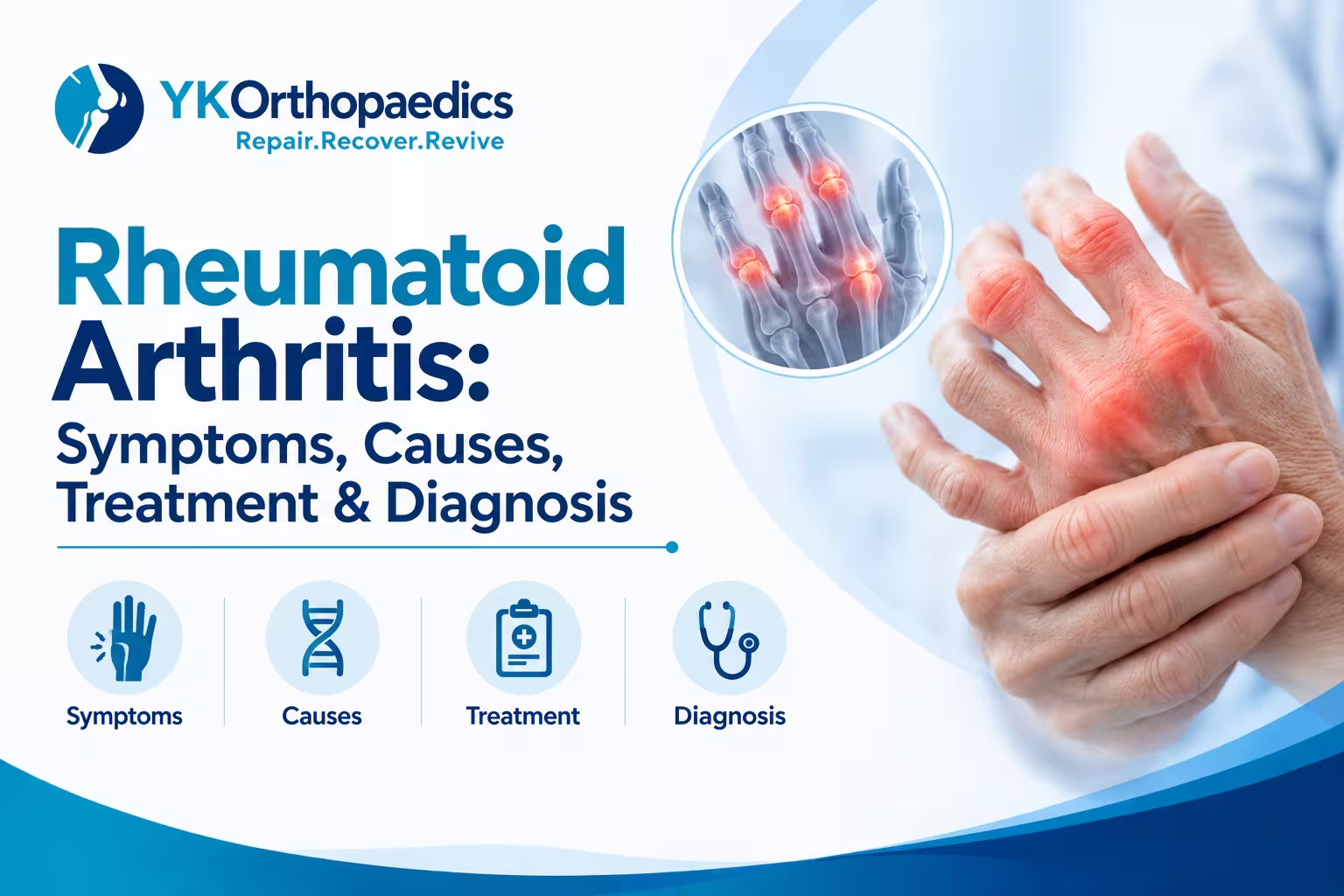
Rheumatoid arthritis (RA) is a chronic autoimmune condition that primarily affects the joints. Unlike osteoarthritis, which is mainly associated with wear and degeneration of cartilage, rheumatoid arthritis occurs when the immune system mistakenly attacks the lining of the joints. This can cause inflammation, pain, swelling, stiffness, and progressive joint damage.
What Is Rheumatoid Arthritis?
Rheumatoid arthritis is an inflammatory autoimmune disease that commonly affects the hands, wrists, feet, knees, and other joints. It often affects joints on both sides of the body and can also cause symptoms beyond the joints.
Without appropriate treatment, ongoing inflammation can damage cartilage, bones, and surrounding joint structures.
Symptoms of Rheumatoid Arthritis
Common symptoms include:
- Pain and swelling in the joints
- Morning stiffness that may last for an extended period
- Warmth or tenderness around affected joints
- Difficulty moving the joint
- Fatigue and general weakness
- Reduced grip strength
- Symptoms affecting multiple joints, often on both sides of the body
Symptoms can vary from person to person and may sometimes flare up and then improve.
Causes and Risk Factors
The exact cause of rheumatoid arthritis is not fully understood. However, several factors may influence the risk, including:
- Family history of rheumatoid arthritis
- Abnormal immune system activity
- Certain genetic factors
- Smoking
- Hormonal and environmental factors
RA is not simply a result of ageing and can develop in younger adults as well.
How Is Rheumatoid Arthritis Diagnosed?
Diagnosis usually involves a medical history and physical examination along with blood tests and, when required, imaging studies.
Blood tests may include inflammatory markers and antibodies associated with rheumatoid arthritis. Imaging such as X-rays, ultrasound, or MRI can help assess inflammation and joint damage.
Early diagnosis is important because persistent inflammation can lead to permanent joint damage.
Treatment for Rheumatoid Arthritis
Treatment focuses on controlling inflammation, relieving symptoms, preventing joint damage, and maintaining mobility.
Medicines
A rheumatologist may prescribe medicines such as disease-modifying antirheumatic drugs (DMARDs), biologic medicines, or other medications depending on the severity and individual needs.
Physiotherapy and Exercise
Appropriate exercises can help maintain joint flexibility, muscle strength, and function. A physiotherapist can recommend exercises based on the affected joints and symptoms.
Surgery
If rheumatoid arthritis causes severe and irreversible joint damage, orthopedic procedures such as joint replacement surgery may sometimes be considered. Surgery is generally considered after appropriate medical management and when joint damage significantly affects function or causes persistent pain.
Rheumatoid Arthritis vs Osteoarthritis
| Rheumatoid Arthritis | Osteoarthritis |
|---|---|
| Autoimmune inflammatory disease | Degenerative joint condition |
| Immune system attacks joint lining | Cartilage gradually wears down |
| Often affects multiple joints symmetrically | Can affect one or several joints |
| Morning stiffness can be prolonged | Stiffness is often shorter after rest |
| Can affect the whole body | Primarily affects joints |
When Should You See a Doctor?
Consult a doctor if you have persistent joint swelling, pain, prolonged morning stiffness, or difficulty moving several joints. Early evaluation and treatment can help control inflammation and reduce the risk of long-term joint damage.
Expert Opinion
According to Dr. Yugal Karkhur, one of the best orthopedic doctors in Gurgaon and a fellowship-trained joint replacement surgeon, persistent joint pain and swelling should not be ignored. Identifying the underlying cause early can help patients receive appropriate medical or orthopedic treatment before significant joint damage develops.
Frequently Asked Questions
Is rheumatoid arthritis curable?
There is currently no permanent cure for rheumatoid arthritis, but appropriate treatment can control inflammation, reduce symptoms, and help prevent or slow joint damage.
Is rheumatoid arthritis the same as osteoarthritis?
No. Rheumatoid arthritis is an autoimmune inflammatory disease, whereas osteoarthritis is primarily associated with degeneration and wear of the joint.
Can rheumatoid arthritis affect the knees?
Yes. Rheumatoid arthritis can affect the knees and cause pain, swelling, stiffness, and reduced movement.
Can rheumatoid arthritis cause permanent joint damage?
Yes. Persistent uncontrolled inflammation can progressively damage the joints, which is why early diagnosis and appropriate treatment are important.