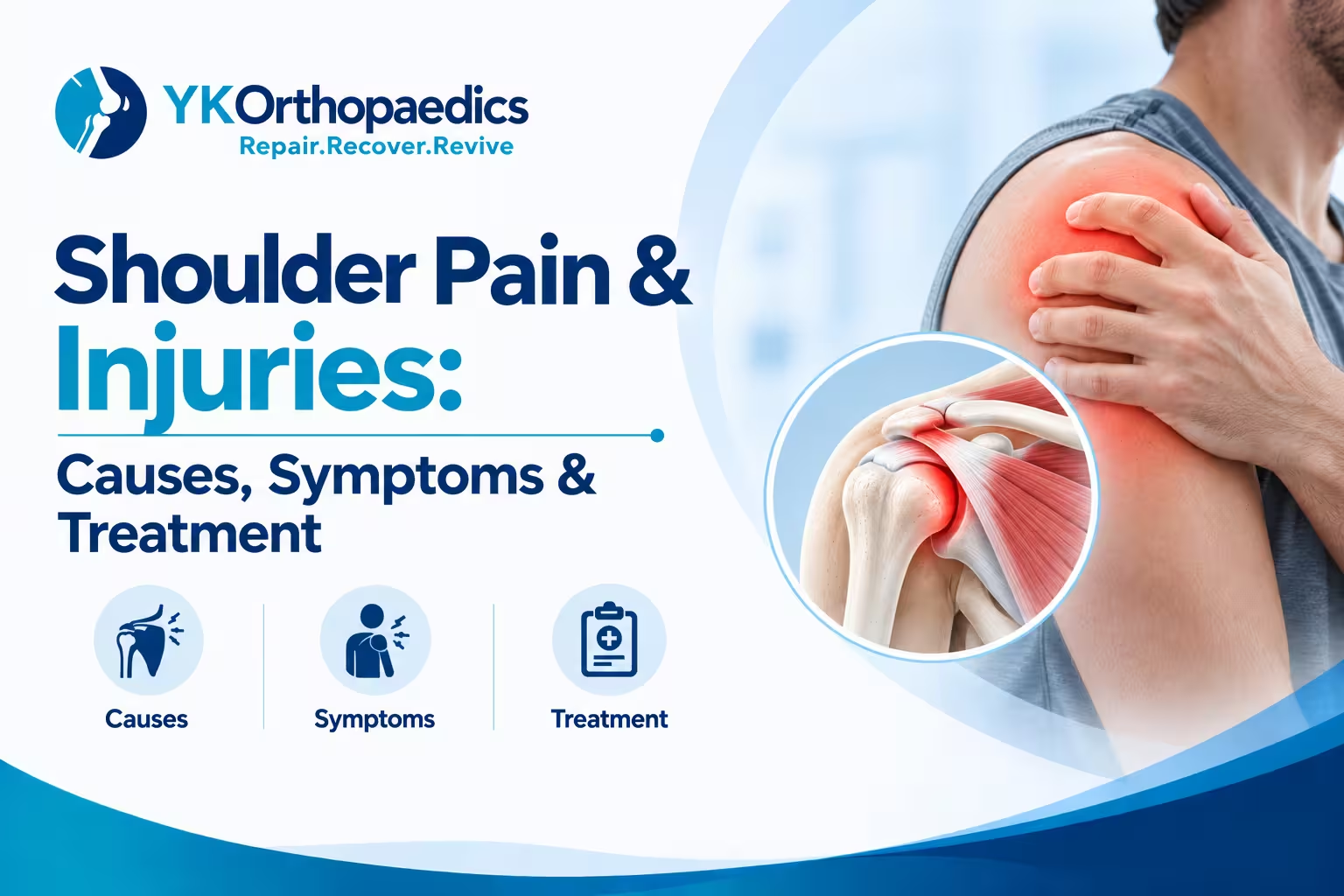
Shoulder pain can develop from an injury, overuse, inflammation, or problems affecting the muscles, tendons, ligaments, or shoulder joint. It may occur suddenly after a fall or sports injury or develop gradually due to repetitive movements.
Persistent shoulder pain can affect everyday activities such as lifting the arm, dressing, sleeping, or reaching overhead. Identifying the underlying cause is important for choosing the right treatment.
Common Causes of Shoulder Pain
Some common causes include:
- Rotator cuff injuries or tears
- Shoulder dislocation
- Shoulder impingement
- Frozen shoulder
- Shoulder arthritis
- Tendinitis
- Labral injuries
- Sports-related injuries
- Fractures around the shoulder
- Repetitive overuse
Symptoms of Shoulder Injuries
Depending on the condition, you may experience:
- Shoulder pain during movement or at rest
- Difficulty raising or rotating the arm
- Swelling or tenderness
- Shoulder weakness
- Stiffness and reduced range of motion
- Clicking or catching sensations
- Shoulder instability
- Pain that becomes worse at night
Sudden severe pain, visible deformity, or an inability to move the arm after an injury requires prompt medical evaluation.
How Are Shoulder Problems Diagnosed?
An orthopedic doctor will assess your symptoms, shoulder movement, strength, and stability. Depending on the suspected problem, X-rays, ultrasound, or MRI may be recommended to examine the bones, tendons, cartilage, and other structures.
Treatment for Shoulder Pain & Injuries
Treatment depends on the cause and severity of the problem.
Non-Surgical Treatment
Many shoulder conditions can initially be managed with:
- Rest and activity modification
- Physiotherapy
- Shoulder mobility and strengthening exercises
- Pain-relieving medication when medically appropriate
- Injections in selected cases
Surgical Treatment
Surgery may be recommended when there is significant structural damage or when symptoms continue despite appropriate non-surgical treatment.
Depending on the condition, procedures may include arthroscopic shoulder surgery, rotator cuff repair, labral repair, or shoulder replacement.
Shoulder Pain After a Sports Injury
Shoulder injuries are common in sports involving repetitive throwing, lifting, contact, or overhead movements. Athletes may develop problems involving the rotator cuff, labrum, or shoulder joint.
Early diagnosis followed by appropriate rehabilitation can help restore shoulder strength and movement and support a safe return to sports.
When Should You See an Orthopedic Doctor?
Consider seeing an orthopedic specialist if shoulder pain:
- Persists or keeps getting worse
- Limits arm movement
- Causes weakness or instability
- Disturbs sleep
- Develops after a fall, collision, or sports injury
- Makes everyday activities difficult
Early evaluation can help identify the cause and prevent a treatable shoulder problem from becoming more difficult to manage.
Expert Opinion
According to Dr. Yugal Karkhur, one of the best orthopedic doctors in Gurgaon and a fellowship-trained joint replacement surgeon, persistent shoulder pain or restricted movement should be properly evaluated to determine whether the problem is related to the joint, muscles, tendons, or a previous injury. The appropriate treatment depends on the underlying condition and its severity.
Frequently Asked Questions
What is the most common cause of shoulder pain?
Shoulder pain can result from several conditions, including rotator cuff problems, tendinitis, impingement, frozen shoulder, arthritis, and injuries.
Can shoulder injuries heal without surgery?
Yes. Many shoulder problems improve with activity modification, physiotherapy, and appropriate conservative treatment. Surgery is considered when clinically necessary.
How long should shoulder pain last before seeing a doctor?
If pain persists, worsens, limits movement, or follows a significant injury, an orthopedic evaluation is advisable rather than waiting for it to resolve on its own.
Can shoulder injuries occur during sports?
Yes. Throwing, lifting, contact sports, and repetitive overhead movements can increase the risk of shoulder injuries.