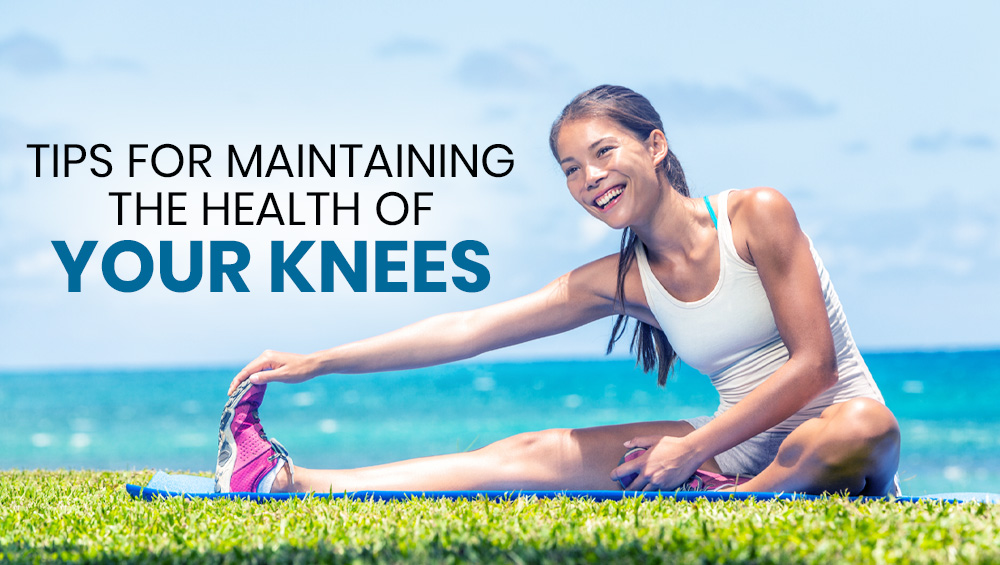
Knees can be considered the most important, at the same time, the most readily injured joints in the human body. They allow and support movements of the body, such as walking, sitting, and running, and also do the daily hardest work of supporting the whole body's weight. However, most people do not think about the care of their knees until they hurt or an accident occurs.
If you provide your knees with the right preventive care through the best habits for healthy knees, you will not only suffer from injuries less but also manage pain that already exists and stay active in old age. This thorough guide presents practical, easy-to-understand knee cartilage protection tips for healthy knees and helps you to know exactly how to keep your knees healthy in a proper state and prevent them from getting wrong in the future with just a few simple daily knee care practices.
1. The Foundational Habit: Maintain a Healthy Weight
One of the absolute best treatments for the knees is controlling one's weight. The simple mathematics show an impact: the more a person weighs, the more pressure is applied to their knees, about four to five pounds with every step taken or stairs climbed.
The slowly growing pressure, in the long run, becomes a very large factor in the loss of and damage to the knees, which leads to quick cartilage depletion and very high chances of osteoarthritis occurrence. Thus, losing even a tiny bit of body weight can be a huge relief and an important part of the plan to maintain knee joint health.
2. Movement is Medicine: Stay Active with Knee-Friendly Exercises
Even though high-impact workouts might be tough for the joints, not moving at all is still the worst thing to do. Daily exercise is very important as it leads to the flow of synovial fluid, which is the natural lubricant and food for the cartilage, being stimulated. The main aspect is picking those low-impact exercises that give a superb workout and, at the same time, do not cause the joints to get hurt by the repeated hopping on hard surfaces. Here are some of the most knee-friendly exercises:
- Walking: A Soft, but very effective method for keeping mobility and blood circulation active.
- Swimming and Water Aerobics: The body weight is being taken over by the water's force of lift - ultimately, the burden and stress are no more, including stronger muscles.
- Cycling (Stationary or Outdoor): An excellent, non-weight-bearing exercise that increases quads and the strength of the ham.
- Yoga and Tai Chi: Develop flexibility, stability, and major muscle power while eliminating tightness.
3. Build Your Body's Braces: Strengthen Muscles Around the Knees
Powerful muscles assist in the protection of your knees by functioning in the capacity of natural shock absorbers and also by providing stability to the joint. If your muscles in your legs aren't strong, the knees are forced to take on greater loads, which could result in the overuse of tendons, ligaments, and cartilage. The growth of the muscles of the leg that are primary is thought to be among the most efficient methods of maintaining your knees' safety and well-maintained.
- Quadriceps: These are muscles located on the sides of your thigh. They aid in ensuring that your kneecap stays steady. Just a minor prescription of a change in exercises can tone your muscles. For example, straight-leg raises can be done sitting down or lying down.
- Hamstrings: They are located in the back of your thigh. They aid in balance and smooth movements.
- Calves and Glutes: Strong calves and hips ensure your legs are properly aligned and help support your knees during daily exercises.
One of the simplest yet most effective exercises is the wall squat: use your back as a support against a wall and gradually slide down until your knees are bent at a comfortable angle (which does not have to be 90 degrees), maintain this position for 15-30 seconds, and come back up.
4. The Importance of Flexibility and Posture
Knee Mobility and Flexibility Tips
Tight muscles can cause the kneecap to be misaligned and limit the knee movement, hence increasing the chance of an injury. Stretching is very important for the treatment of maintaining strong knee joints. It is recommended to first warm up the muscles by performing some light activities (for example, walking for 5-10 minutes) and then stretching the muscles softly after the workout when they are still elastic.
Proper Posture for Knee Health
The use of good body mechanics contributes to maintaining your weight in the right position and also minimizing the effect of pressure on your joints. Observe your body position:
- When sitting: With feet flat on the floor and knees at a 90-degree angle. Do not cross your legs for an extended period of time.
- During lifting: Make the necessary adjustments to your knees and hips to ensure that you are straight on your back, and ask the assistance from your leg muscles to complete the lift.
Shoes that are comfortable and safe support proper cushioning for the foot. Old or worn-out shoes can damage your posture and put substantial pressure on your joints.
5. Listen to Your Body: Rest and Recovery
The pain isn't just a problem. Your body's way to tell you there is something wrong. Inability to deal with knee pain that is sudden or acute could transform the tiniest issue into one that can last for a long period of time. Knowing when you should rest and take care of your knees is a first step in avoiding further damage.
If you are experiencing mild knee pain or swelling from everyday use for mild knee pain, you can apply for mild knee pain or swelling, you can use the RICE method. This involves rest to prevent excessive use, using an ice pack for 15 minutes to lessen inflammation, using compression using a thin bandage to provide support, and keeping your leg elevated above your heart level to lessen swelling and speed healing.
6. When to Seek Expert Help: Orthopaedic Care in Delhi NCR
The general rule is that lifestyle modifications can be beneficial. However, in the event that you suffer from a condition, such as advanced arthritis or a particular injury, then you'll require an assessment by a doctor and advanced treatment options in order to keep your injury from becoming permanent.
In case of persistent pain, knee locking or giving way, and non-ceding noticeable swelling even after rest, it is necessary to consult a physician. In Delhi NCR, the Best Orthopaedic Surgeon consultation can aid you in receiving the correct diagnosis and treatment plan.
Certain diseases like Avascular Necrosis (AVN) of the knee need very special treatment. Information about specific AVN Treatment will be very important for those who are dealing with difficult bone health problems.
Conclusion
Knee health is crucial for maintaining an active lifestyle and being free from pain. The application of easy knee care methods, such as exercise, stretching, and keeping yourself active, can have a substantial impact. Daily knee maintenance routines are responsible for providing strength to the muscles surrounding your knees, along with resulting in better flexibility. Good posture and healthy weight are also contributors to the process of reducing knee wear and tear. A diet rich in nutrients and proper water intake are the body’s joints' allies. For professional recommendations, you should meet with Dr. Yugal Karkhur, who is the best orthopaedic surgeon in Delhi NCR and has more than 14 years of experience.