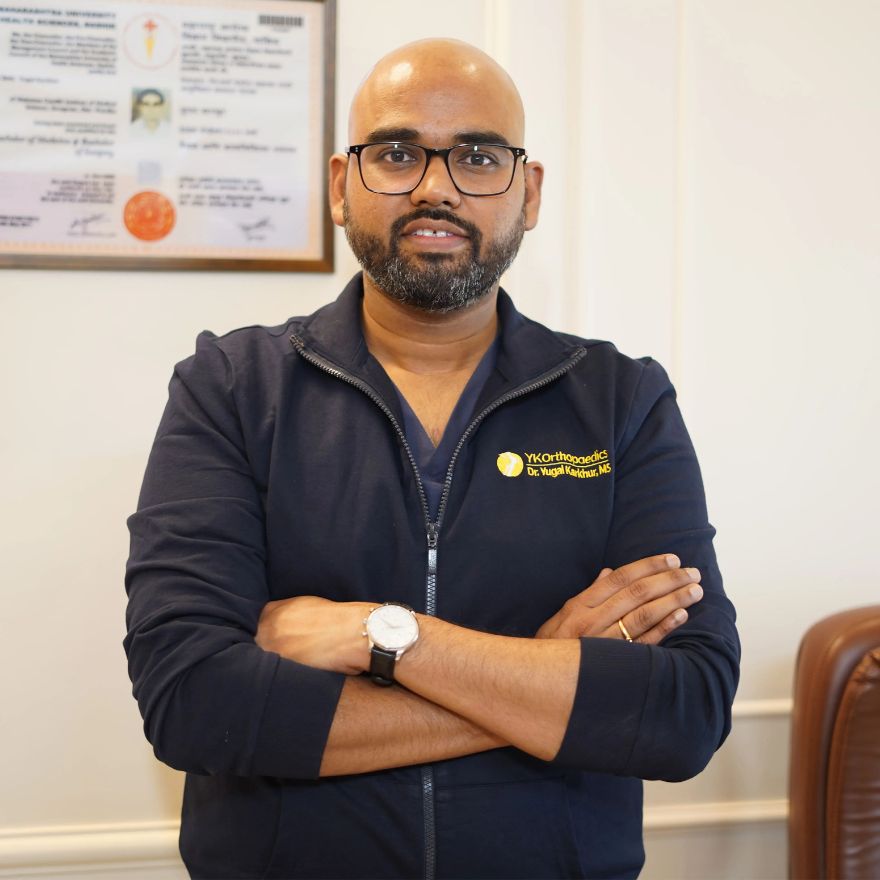
हाँ, बुजुर्गों में भी ACL (Anterior Cruciate Ligament) सर्जरी हो सकती है, लेकिन यह हर मरीज के लिए जर...
Read More →हाँ, बच्चों में ACL (Anterior Cruciate Ligament) इंजरी हो सकती है, खासकर वे बच्चे जो फुटबॉल, बास्केट...
Read More →ACL (Anterior Cruciate Ligament) इंजरी खुद में जानलेवा नहीं होती, लेकिन यह घुटने की स्थिरता के लिए ब...
Read More →ACL (Anterior Cruciate Ligament) पूरी तरह फट जाने पर केवल इंजेक्शन से ठीक नहीं होता, क्योंकि यह लिगा...
Read More →


Dr. Yugal is a genius and a marvellous doctor. Listens to his patient with full patience and the treatment he provides is far better than other hospitals. I have been to a lot of orthopaedic doctors but dr Yugal is exceptionally best.

We had a very good experience with Dr karkhur . He explained the surgery procedure very well . My mother is on the path to recovery. Dr Yugul is a very convincing doctor . Coordinator Mr Bhupinder helped us a lot . Hospital is very helpful and good .

Detailed information to patient about the illness and the plan of treatment by the doctor. Least number of medicines prescribed and very effective. Very convenient way of treatment. The doctor is always available on call or whatsapp.Superb experience.

I have had a good fortune for having Dr Yugal as my surgeon ....my surgery was done so smoothly and Dr Yugal is very understanding in nature...he explain me so well that my nervousness just disappeared.....Also i thank all the team involved in my surgery ....Thank you so much.....!!!
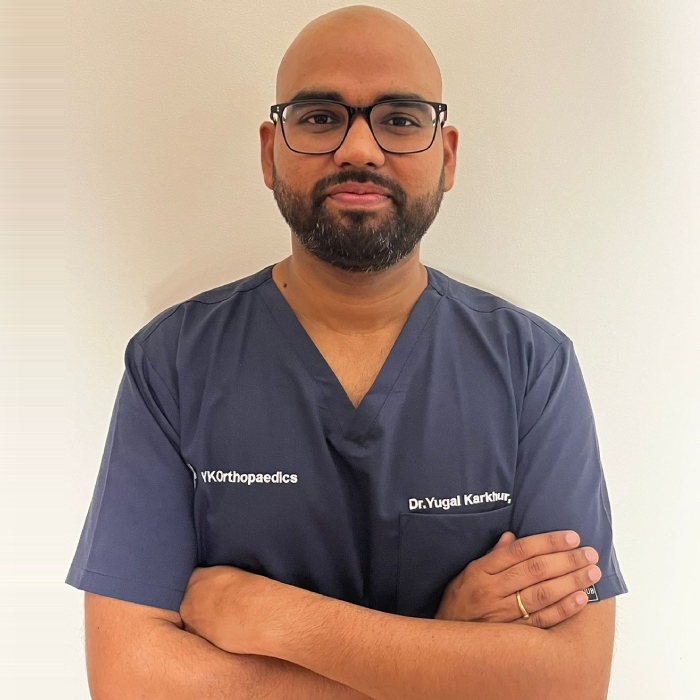
Dr. Yugal Karkhur is a highly experienced Orthopaedic Doctor & Joint Replacement Specialist...
14+ years of experience in Orthopaedics & Joint Replacement Surgery
MS (Orthopaedics) – Maulana Azad Medical College, New Delhi
Locations: Gurgaon & Delhi NCR
Years of Experience
Surgeries
Happy Patients
Locations

