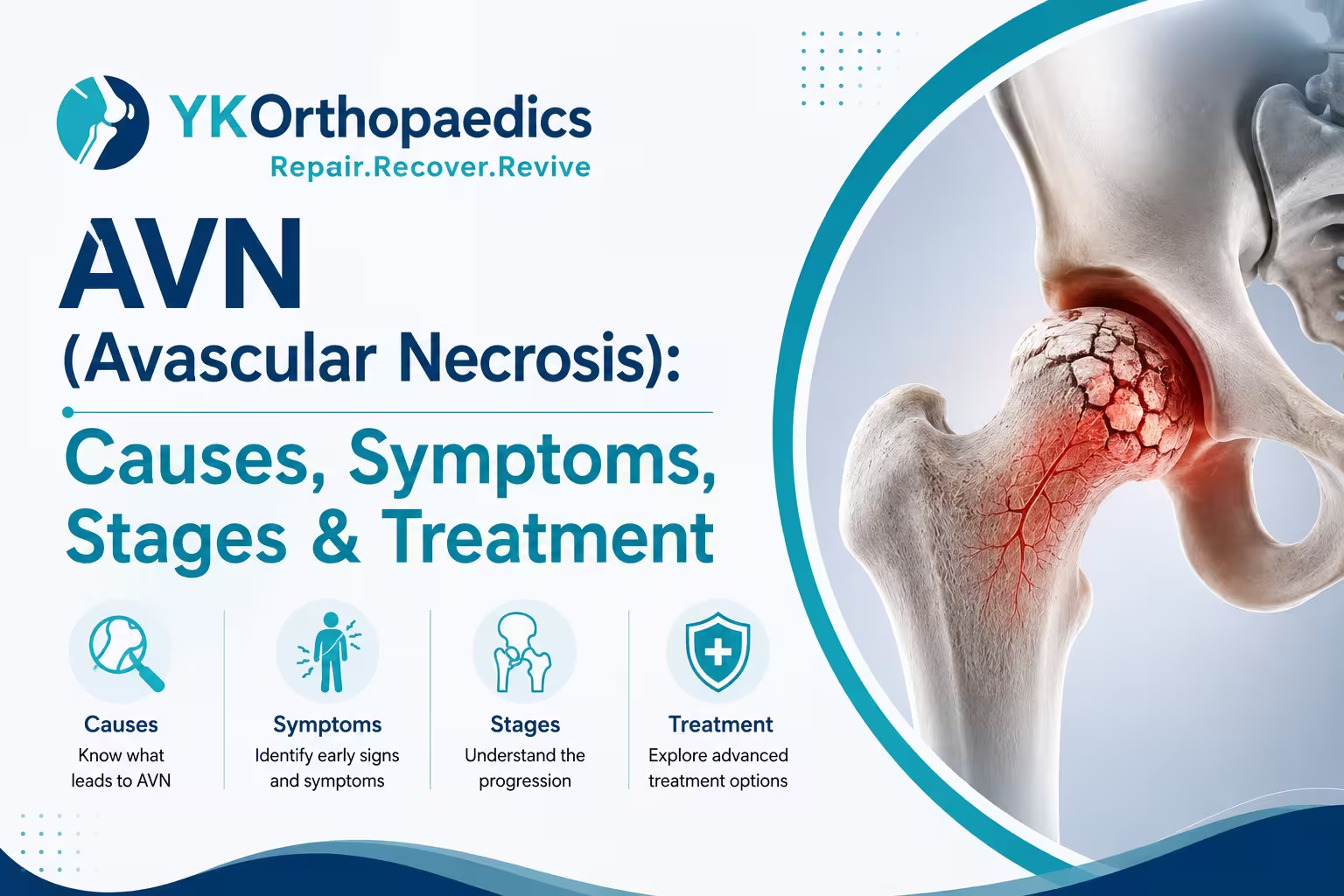
AVN occurs when reduced blood supply causes bone tissue to die. Common risk factors include long-term or high-dose corticosteroid use, excessive alcohol consumption, previous fracture or dislocation, certain blood disorders and autoimmune conditions. Treatment depends mainly on the location and stage of AVN. Early disease may be managed with joint-preserving treatments such as core decompression, while advanced disease with bone collapse may require joint replacement.
What Causes Avascular Necrosis?
AVN develops when blood flow to a section of bone is disrupted. The causes can broadly be divided into traumatic and non-traumatic causes.
1. Long-Term Steroid Use
Corticosteroids are one of the important risk factors for non-traumatic AVN, particularly when used at high doses or for long periods.
2. Excessive Alcohol Consumption
Long-term excessive alcohol use is another recognized risk factor for osteonecrosis.
3. Previous Fracture or Dislocation
A fracture or joint dislocation can damage blood vessels supplying the bone and lead to traumatic AVN.
4. Blood Disorders
Conditions such as sickle cell disease and some blood-clotting disorders can increase the risk of AVN.
5. Autoimmune and Other Medical Conditions
Lupus, rheumatoid arthritis, pancreatitis, Gaucher disease and certain other medical conditions have been associated with osteonecrosis.
6. Smoking
Tobacco use is also considered a risk factor for osteonecrosis.
7. Unknown Cause
Sometimes AVN develops without an identifiable cause. This is known as idiopathic or non-traumatic osteonecrosis.
AVN Symptoms
AVN may not cause symptoms in its earliest stages. As the condition progresses, common symptoms can include:
-
Pain in the affected joint
-
Pain while standing or walking
-
Pain that gradually becomes more frequent
-
Pain that may eventually occur even at rest
-
Stiffness and reduced joint movement
-
Limping when the hip or lower limb is affected
-
Increasing difficulty performing everyday activities
In hip AVN, pain is commonly felt in the groin and may extend toward the thigh or buttock.
AVN of the Hip
The hip is the most commonly affected site of osteonecrosis. When AVN affects the femoral head, patients may initially experience pain during weight-bearing activities. As the disease progresses and the femoral head begins to collapse, pain and loss of hip function can become more severe.
Stages of AVN
The exact staging system can vary, but commonly used systems classify AVN according to the extent of bone damage and whether subchondral collapse or arthritis has developed. The ARCO system is one commonly used classification for femoral-head osteonecrosis.
Stage 0 – Early or Preclinical Stage
There may be no obvious symptoms or X-ray changes. AVN may only become apparent through advanced imaging such as MRI.
Stage 1 – Early AVN
The bone may show early changes, while the joint surface remains intact. Pain may be mild or may not yet be present.
Stage 2 – Structural Bone Changes
Imaging may show changes within the affected bone, but there is still no collapse of the joint surface.
Stage 3 – Subchondral Collapse
The weakened bone begins to collapse beneath the joint surface. Pain and difficulty with movement generally become more noticeable.
Stage 4 – Advanced AVN
There is significant collapse with secondary joint damage or arthritis. At this stage, joint replacement may be considered when pain and loss of function are substantial.
Important: The stage alone does not determine treatment. Doctors also consider lesion size, location, symptoms, age, joint involvement and whether collapse has occurred.
How is AVN Diagnosed?
A doctor usually starts with a medical history and physical examination and may recommend imaging tests.
X-Ray
X-rays are commonly used initially and can show more advanced bone changes. However, an X-ray may appear normal during early AVN.
MRI
MRI is highly sensitive for detecting early AVN and can identify changes before they become visible on an X-ray. It also helps assess the extent of bone damage.
CT Scan
CT may sometimes be used to evaluate the extent of structural damage or collapse, although MRI is generally more sensitive for early disease.
Blood Tests
Blood tests may be recommended when the doctor suspects an underlying condition such as a blood disorder or abnormal clotting tendency.
AVN Treatment
Treatment depends on the stage of AVN, affected joint, size and location of the damaged area, symptoms and whether the bone has collapsed.
Non-Surgical Treatment
In selected early or small lesions, doctors may recommend:
-
Activity modification
-
Protected weight-bearing with crutches or a walker
-
Pain-relieving or anti-inflammatory medicines
-
Physiotherapy
-
Management of underlying medical conditions
-
Reviewing contributing factors such as corticosteroid exposure with the treating doctor
These measures can help manage symptoms, but they generally do not reverse established bone death or reliably stop disease progression.
Core Decompression
Core decompression is a joint-preserving procedure used particularly for selected early-stage AVN before significant collapse. Small channels are created in the affected bone with the aim of reducing pressure and stimulating healing.
The suitability of core decompression depends on factors such as the stage, size and location of the AVN.
Bone Grafting and Other Joint-Preserving Procedures
In selected patients, bone grafting or other procedures may be considered to preserve the natural joint. These approaches are generally more relevant before extensive joint collapse.
Joint Replacement
When AVN has caused significant collapse of the femoral head and joint damage, total hip replacement may provide reliable pain relief and restore function. Advanced AVN affecting other joints may also require partial or total joint replacement depending on the situation.
Can AVN Be Cured Without Surgery?
It depends on the stage and extent of the disease. Small, early lesions may sometimes heal or remain stable, but symptomatic or larger lesions—particularly those involving a major weight-bearing area—have a greater risk of progression. Non-surgical treatment mainly helps manage symptoms and protect the joint; it does not reliably reverse established osteonecrosis.
Can AVN Be Prevented?
Not every case of AVN can be prevented, but some risk factors can be reduced.
-
Avoid excessive alcohol consumption.
-
Do not smoke.
-
Take corticosteroids only as prescribed and discuss long-term use with your doctor.
-
Manage underlying medical conditions properly.
-
Seek medical attention after significant fractures or joint dislocations.
-
If you have important AVN risk factors and develop unexplained joint pain, seek evaluation early.
When Should You See an Orthopedic Doctor?
You should consider an orthopedic evaluation if you have:
-
Persistent hip, knee or shoulder pain without an obvious cause
-
Pain that increases with walking or weight-bearing
-
Difficulty walking or a developing limp
-
Reduced joint movement
-
Persistent pain despite rest
-
A history of long-term corticosteroid use
-
A history of excessive alcohol use
-
Previous fracture or joint dislocation
Early evaluation is particularly important when AVN is suspected because MRI can identify disease before advanced changes appear on X-ray.
Expert Opinion
Dr. Yugal Karkhur, a Orthopedic Doctor in Gurgaon, specializes in the evaluation and treatment of bone and joint conditions. In AVN, identifying the disease before significant bone collapse is important because joint-preserving options are generally most useful in earlier stages. Once substantial collapse and joint damage have developed, joint replacement may become the more appropriate treatment option.
Related Services
- Knee Replacement
- Hip Replacement
- ACL Reconstruction
- Meniscus Repair
- Carpal Tunnel Surgery
- Partial Knee Replacement
- Knee Arthroscopic Surgery
- AVN Treatment
Related Articles
- Why Did I Get AVN? Causes and Risk Factors of Avascular Necrosis
- Is AVN Dangerous or Serious? What Happens If AVN Gets Worse?
- Is AVN Curable? Can Avascular Necrosis Be Treated Without Surgery?
- Can AVN Affect Young People? Causes, Symptoms & Treatment
- Can AVN Affect Both Hips? Causes and Treatment of Bilateral AVN
Conclusion
Avascular Necrosis is a condition in which reduced blood supply damages bone tissue and can eventually lead to bone collapse and arthritis. The hip is most commonly affected, but AVN can also occur in the knee, shoulder and other joints.
The most important factor in treatment is early diagnosis and accurate staging. MRI can detect AVN at an early stage, while treatment may range from symptom management and protected weight-bearing to joint-preserving procedures such as core decompression or joint replacement in advanced disease.
If you are looking for a Best Orthopedic Doctor in Gurgaon, you can consult Dr. Yugal Karkhur for evaluation of AVN and a treatment plan based on your stage and joint condition.
FAQs
What is AVN?
AVN, or Avascular Necrosis, occurs when the blood supply to part of a bone is reduced or interrupted, causing bone tissue damage or death.
What is the most common cause of AVN?
Long-term or high-dose corticosteroid use and excessive alcohol consumption are important non-traumatic risk factors. Trauma such as fracture or dislocation can also cause AVN.
What are the early symptoms of AVN?
Early AVN may cause no symptoms. When symptoms develop, pain—often with weight-bearing activity—is one of the most common signs.
Is MRI necessary to diagnose AVN?
MRI is particularly useful for detecting early AVN when an X-ray may still appear normal.
Can AVN be treated without surgery?
Some small or early lesions may be managed without surgery, but non-surgical treatment mainly controls symptoms and does not reliably stop progression. Treatment should be based on the stage and extent of disease.
Is core decompression useful for AVN?
Core decompression is a joint-preserving procedure that is generally considered for selected early-stage AVN before significant bone collapse.
When is hip replacement needed for AVN?
Hip replacement may be recommended when AVN has progressed to significant femoral-head collapse and joint damage, particularly when pain and functional limitations are substantial.
Can AVN affect both hips?
Yes. Non-traumatic AVN can affect multiple bones, and both hips may be involved even when symptoms are present on only one side.