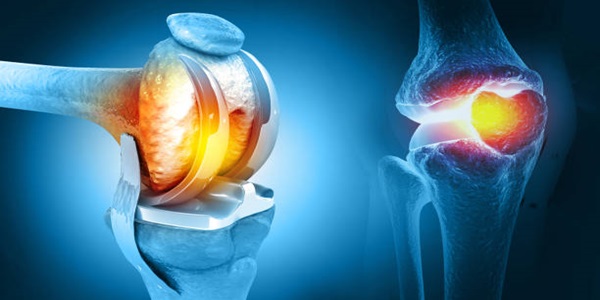
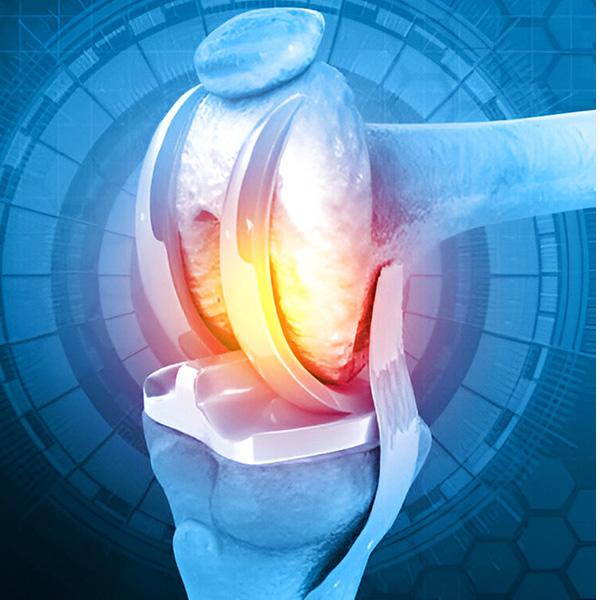
Dr. Yugal Karkhur - The Knee Replacement Surgeon in Gurgaon

Chronic knee pain can slowly take away your independence — making walking, climbing stairs, or even standing difficult. When medications and physiotherapy stop working, consulting an experienced knee specialist becomes essential.

Dr. Yugal Karkhur is widely recognized as a leading Knee Replacement Surgeon in Gurgaon, offering advanced joint replacement procedures focused on long-term pain relief and mobility restoration.

With 14+ years of orthopaedic surgical experience, he provides evidence-based treatment at YK Orthopaedics using modern implants, minimally invasive techniques, and structured rehabilitation protocols.
Book a Consultation

Whatsapp | Call
What is Total Knee Replacement?

What is Total Knee Replacement (TKR)?

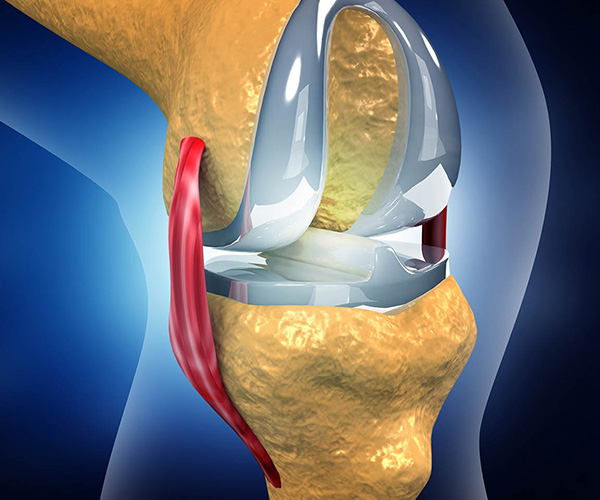
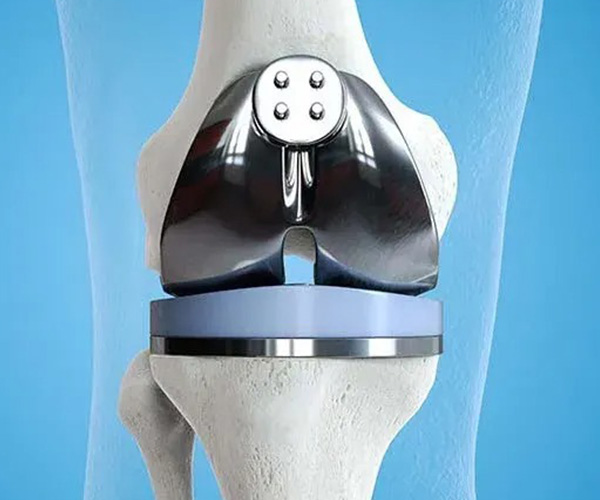
Total Knee Replacement (TKR) is a surgical procedure in which the worn-out or damaged surfaces of the knee joint are removed and replaced with artificial implants. It is commonly recommended for patients with severe arthritis, advanced joint wear and tear, or major knee injuries. TKR helps relieve chronic pain, correct deformity, and restore knee movement, enabling patients to walk comfortably and return to daily activities.

Why is Total Knee Replacement Surgery Done?

  • To relieve severe knee pain: Primarily recommended for advanced osteoarthritis or rheumatoid arthritis.
  • To improve joint movement: Helps restore knee flexibility and functional mobility.
  • When non-surgical treatments fail: Advised if medicines, injections, or physiotherapy no longer provide relief.
  • To correct knee deformity: Straightens bowed or misaligned knees.
  • To restore daily function: Improves walking, sitting, and stair-climbing ability.
  • To regain independence: Enhances overall quality of life and activity levels.

What is the Price of Total Knee Replacement Treatment in Gurgaon?

Depending on the kind of implant, the hospital facilities, and the experience of the orthopedic surgeon who is specialized in knee replacement in Gurgaon, the range of cost of total knee replacement in Gurgaon starts at Rs 1,80,000 to 4,00,000 in Gurgaon. Bilateral knee replacement (both knees) are more expensive but can be cost effective when performed at the same time.

Note: These figures can shift. Final cost depends on your test results, the hospital’s pricing, and your surgeon’s judgment.


Still in Pain? Consult a Joint Specialist for Fast Relief

Book Free Consultation Call Now

Cost of Various Types of Knee Replacement in Gurgaon

Type of Procedure Average Cost (INR)
Unilateral Knee Replacement ₹1,80,000 – ₹2,80,000
Bilateral Knee Replacement ₹3,60,000 – ₹5,50,000
Advanced Robotic Knee Replacement ₹2,50,000 – ₹4,50,000
Partial Knee Replacement ₹1,50,000 – ₹2,50,000
Revision Knee Replacement ₹2,50,000 – ₹5,00,000

Note: This can change depending on the pricing at different hospitals, the surgeon’s expertise, and post-surgery care.
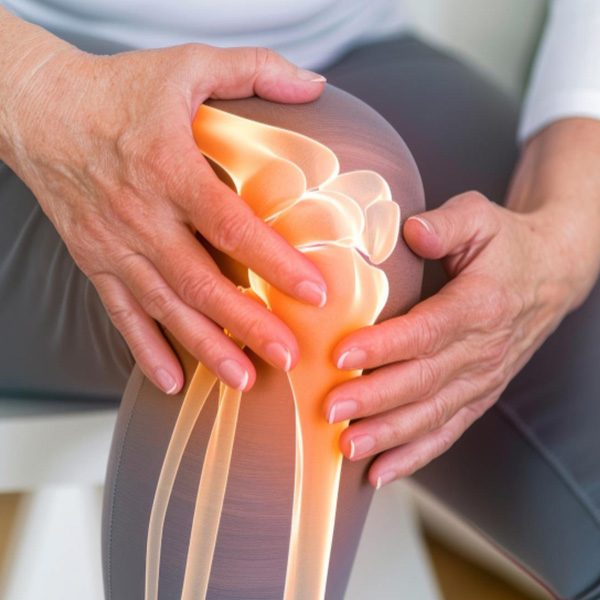
Types of Total Knee Replacement

Types Of Knee Replacement Surgeries

1. Revision Total Knee Replacement (TKR):

An artificial implant replaces the whole knee joint to ease the pain and allow free movements.

2. Partial (Unicompartmental) Knee:

Uses laser light only on the defective area of the knee so as to conserve healthy tissue and bone.

3. Bilateral Knee Replacement:

When patients have severe damages on the two knees, both knees will be replaced during one session of surgery.

4. Surgical Revision Knee Replacement:

It is done on replacement or repair of an already artificial implanted knee that has worn out or broken.

5. High Tech Robotic-Assisted Knee Replacement:

Employs precision-guided robot adaptive technology to implant machinery efficiently and makes recovery quicker.

Hear Dr. Yugal speak about Total Knee Replacement

Watch Dr Yugal’s informative Reel Content
The Benefits of Having Knee Replacement Surgery

  • Significant pain relief: Reduces or eliminates chronic knee pain caused by arthritis.
  • Improved joint mobility: Restores knee movement and flexibility.
  • Better walking ability: Helps patients walk longer distances comfortably.
  • Correction of deformity: Straightens bowed or misaligned knees.
  • Enhanced daily function: Makes climbing stairs, sitting, and standing easier.
  • Improved quality of life: Enables return to routine and social activities.
  • Long-lasting results: Modern implants provide durable outcomes for years.
  • Reduced dependency on medicines: Lowers need for long-term painkillers.
Knee replacement surgery risks

Knee replacement surgery risks

  • Blood clots: Risk of deep vein thrombosis (DVT) after surgery.
  • Infection: May occur around the incision or artificial implant.
  • Implant wear or loosening: Artificial joint may loosen over time.
  • Nerve or blood vessel injury: Rare but possible during surgery.
  • Knee stiffness: Reduced flexibility or range of motion can develop.
  • Persistent pain or swelling: Some patients may experience ongoing discomfort.

Before undergoing knee replacement surgery, what is the diagnosis?

  • Clinical evaluation: Doctor reviews knee pain, stiffness, walking difficulty, and medical history.
  • Physical examination: Assesses joint movement, swelling, deformity, and ligament stability.
  • X-rays: Primary imaging to detect arthritis, joint space loss, and bone damage.
  • MRI scan: Used if soft tissue or ligament assessment is needed.
  • Blood tests: Rules out infection, inflammation, or systemic disease.
  • Joint alignment assessment: Evaluates deformity and weight-bearing axis.
  • Functional assessment: Measures walking ability and daily activity limitation.

Diagnosis before knee replacement includes clinical exam, X-rays, MRI, blood tests, and joint function assessment to confirm severity.

Recovery After Knee Replacement Surgery

Recovery After Knee Replacement Surgery

  • Hospital stay: Typically 3–5 days after surgery, depending on recovery progress.
  • Early mobilization: Walking with support usually begins within 24–48 hours.
  • Physiotherapy rehabilitation: 6–12 weeks of structured physical therapy to rebuild strength and movement.
  • Recovery timeline: Most patients achieve significant recovery within 3–6 months.
  • Long-term outcomes: Gradual improvement in pain relief, mobility, and overall joint function.

Knee replacement recovery includes 3–5 days hospitalization, early walking, 6–12 weeks physiotherapy, and 3–6 months for full recovery.

How Does Total Knee Replacement Work?

In the process, the surgeon:

  1. Removes damaged cartilage and bone from the thigh bone, shin bone, and kneecap
  2. Substitutes them with artificial replacement parts consisting of metal alloys, plastics, or ceramics
  3. Offers correct orientation of the implant
  4. Stitches the wound, and initiates post operative rehabilitation

Advanced knee replacement in Gurgaon is carried out through computer navigation or robotic aid of component implantation, which allows accurate positioning and a faster recovery. Many patients from nearby regions also prefer visiting YK Orthopaedics for Knee Replacement Surgery in Delhi NCR because of Dr. Yugal’s expertise and consistently strong clinical outcomes.

Have you been recommended to go in for Total Knee Replacement

Send your Reports for a FREE Expert Consultation
Book a Free Consultation

Why Choose Dr. Yugal Karkhur for Knee Replacement in Gurgaon?

  • Experienced Knee Replacement Specialist: Recognized among the skilled doctors for knee replacement in Gurgaon.
  • Advanced Surgical Techniques: Uses robotic-assisted and minimally invasive procedures.
  • Transparent & Affordable Pricing: Cost-effective treatment with clear estimates.
  • Personalized Care Plan: Individualized pre-operative evaluation and post-surgery rehabilitation.
  • Comprehensive Recovery Support: Dedicated physiotherapy and follow-up care.
  • Trusted by Patients: Known for successful outcomes and patient satisfaction.

FAQs on Total Knee Replacement

Dr. Yugal Karkhur is one of the Best Orthopedic Surgeon in Gurgaon for knee replacement surgery. He offers expert evaluation and advanced joint replacement techniques to relieve pain, restore mobility, and improve quality of life for patients with severe knee arthritis or joint damage.

Proper medication is the best treatment for post-operative pain, which disappears within a few weeks.

The bilateral knee replacement is an option in surgically fit patients to whom knee replacements are necessary.

It can take up to six months to be able to get back to normal, but in six to eight weeks, most of the patients are mobile again.

In case you still have the knee pain, rigidity, and limitation of movement even after the medicine, then you should certainly see a doctor.